Hypoxia of aging: the role of microcirculation in the pathogenesis of age-related skin changes
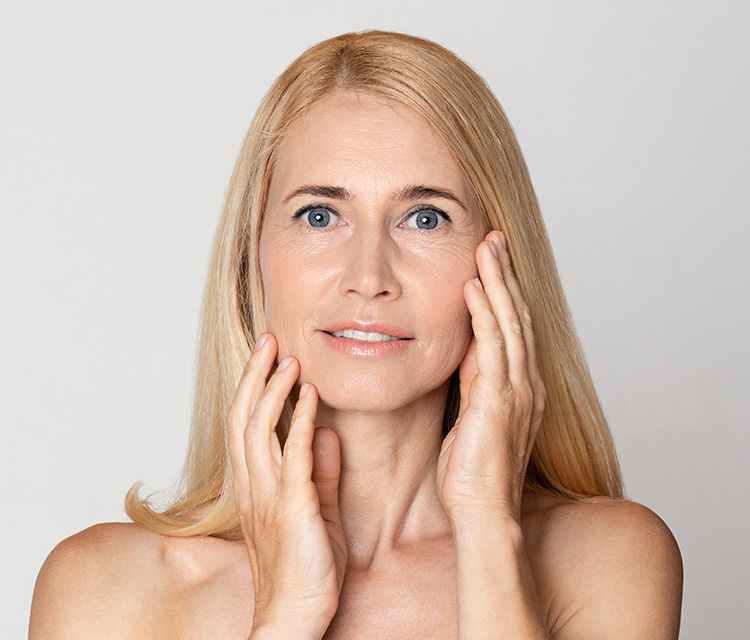
In gerontology, in addition to generally accepted clinical tests for determining biological age, there are also purely external signs: changes in posture, gait, body proportions, graying and thinning of hair and, of course, decreased tissue turgor, wrinkling of the skin. After all, the skin, as a mirror reflection of the body's condition, is, unfortunately, the first to signal biological aging.
Among the external signs of aging of the face according to the classification of I. I. Kolgunenko, the main (mandatory) and secondary signs are distinguished. The main signs include: dryness and thinning of the skin, decreased elasticity of soft tissues, wrinkling and senile deformation (ptosis). The secondary ones include: swelling and pastiness around the eyes, telangiectasias, hypertrichosis, hyperpigmentation, seborrheic keratosis, etc.
The external manifestations of aging are certainly subject to biologically inevitable aging mechanisms. The first attempts at a scientific explanation of aging were made by Aristotle. Since then, the following theories have dominated at different stages of the development of gerontology:
- gene-regulatory;
- neuroendocrine;
- molecular-genetic;
- "free-radical";
- the theory of "cross-links" and others.
Symptoms of aging skin
The main role in ensuring adequate blood supply belongs to the microcirculation system. Microcirculation is a collective term. It combines the mechanisms of blood flow in small vessels and the associated exchange of fluid and gases and substances dissolved in it between the vessels and tissue fluid. With increasing age, morphological and functional changes in the skin microvascular bed are observed. With age, the number of functioning capillaries decreases, and the apex of the vascular tree becomes desolate. This phenomenon is caused by the restructuring of collagen during aging: the thickness of the fibrils decreases and the content of amorphous matter increases.
Full version of the access article in Ukrainian
Read also
- Skin barrier function: ability for natural regeneration
- Skin aging from the point of view of biology: what you need to know about collagen
- Fighting skin aging: once again about the possibilities of НА
- Alternatives to retinol
- Stimulation of skin metabolism: possibilities of transmembrane protein
- Anti-aging prevention: home care for mature skin
- Mature skin: recommendations for antiaging care
- Diagnosis of skin type: to the issue of individualization of care programs
- Natural aging and factors affecting its speed