Soy as a cosmetic ingredient
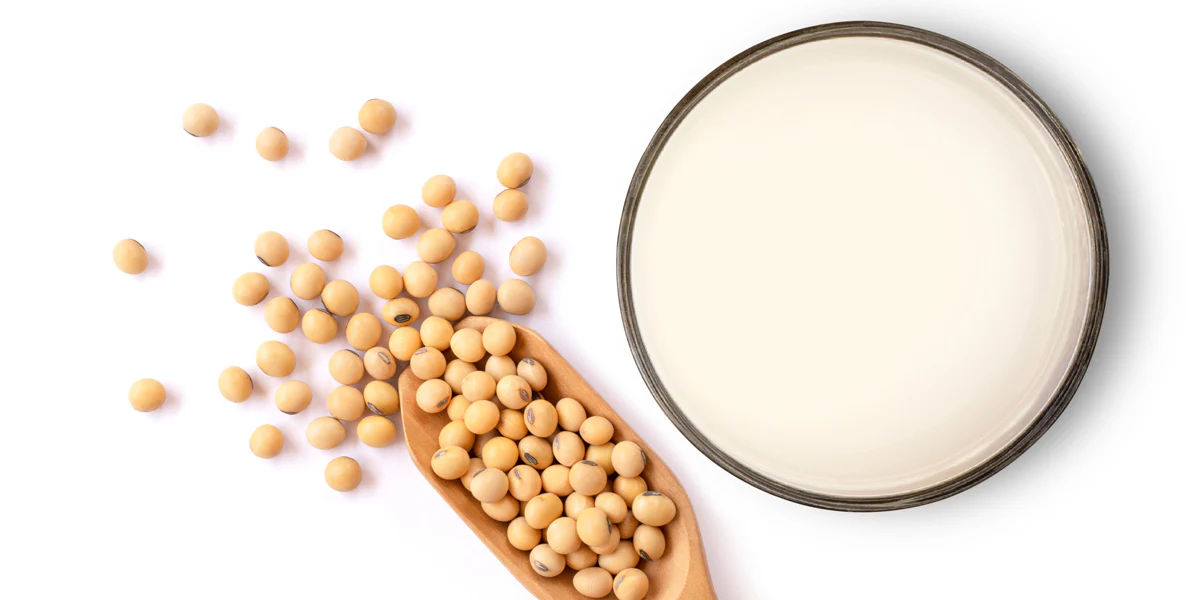
Soy is a unique source of bioactive molecules that can influence key processes of aging, regeneration, and cellular activity of the skin.
Soybeans are one of the oldest cultivated plants, having been cultivated by humans since prehistoric times. Radiocarbon dating of archaeological finds in Japan, China, and Korea indicates that soybeans were cultivated as early as 10,000 BC. Legend has it that Chinese emperors personally planted the first seeds at the beginning of the new season. Written sources mention that the mythical ruler Shennong declared five types of plants sacred, and soybeans were ranked first — ahead of rice, wheat, oats, and millet. Soybeans were nicknamed the “savior of the people” because they helped overcome hunger, disease, and poverty. Li Shizhen, in his work The Compendium of Materia Medica, recommended soybeans to patients with kidney disease, edema, and intoxication.
Soybeans were brought to Europe by the German naturalist Engelbert Kaempfer, who lived in the East for several years and described the local flora in his works. However, Europeans began to grow soybeans only at the end of the 19th century. It was most actively popularized by Professor Friedrich J. Haberlandt, who cultivated soybeans in Vienna and later sent seeds to farmers in Central and Western Europe. Most farmers, having received seeds, grew soybeans and sent their results to Haberlandt. The people even called them “Haberlandt beans”.
Soybeans became one of the first examples of a biotechnological food product. Molecular genetics methods were used to change the properties of soybeans, in particular to reduce the need for pesticide protection. This increased occupational safety for people growing and harvesting soybeans. The genetically modified product has a longer shelf life and requires fewer preservatives. In 2010, over 90% of all soybeans grown in the US were GM lines. This scientific advance has given hope that global hunger may be reduced.
Full version of the access article in Ukrainian
Read also
- Breast cancer: what should a cosmetologist be wary of during aesthetic procedures in the breast area?
- Instant transformation: synergy of innovative technologies for flawless skin
- Caffeine in cosmetics
- Synergy of methods in the abdominal area: how anatomical shape and volumes dictate the choice of procedures
- Hand skin: a race against time
- Skin philosophy: the concept of individual selection of cosmetics
- Article Тайна стрий is available in Russian, Таємниця стрий is available in Ukrainian,
- Oncovigilance in the cosmetologist's office: risk factors for breast cancer
- Microelements and hair: the role of mineral imbalance in the pathogenesis of aesthetic defects
- 4rest (Forest), company
- Rosacea
- Couperosis
- Angioneurosis
- Peloid therapy
- Waxes for depilation
- Fordyce granules
- Bogomolets Olga
- Microneedle therapy