Oncovigilance in the cosmetologist's office: risk factors for breast cancer
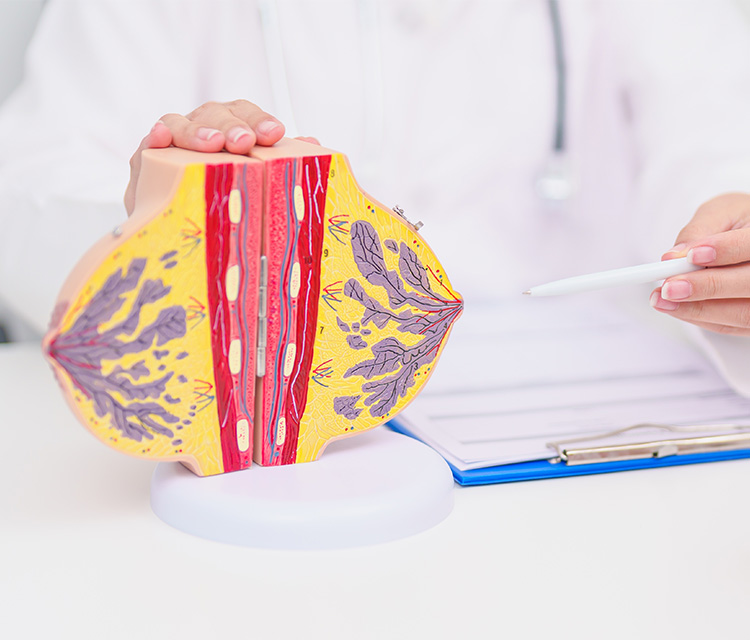
Breast cancer is one of the most common cancers. The most common cause is late detection, sometimes it is first diagnosed at the metastatic stage. Mammologists emphasize early diagnosis, because then breast cancer is completely curable in 95% of cases.
Until recently, breast cancer was thought to be a hereditary disease. However, it is now established that the genetic factor accounts for no more than 5–10% of all cases. Numerous studies conducted to identify the causes of the growing epidemic of the most common cancer among women indicate two categories of risk factors: unchangeable and controllable.
Unchangeable risk factors
- Age and genetic
For most women, the age factor is paramount - in other words, the risk of developing breast cancer increases with age. In general, about 85% of cases of the disease occur in women over 50 years of age, and only 5% occur among those younger than 40 years of age.
Although the peak incidence is recorded on the age scale around the mark of about 60 years, it is known that in most cases carcinogenesis manifests itself long before that. Depending on the woman's age, her hormonal status and, accordingly, the growth rate of cancer cells, the formation of a tumor diagnosed by modern methods takes from 2 to 20 years. The younger the patient, the more aggressive treatment may be required.
Genetic factors include a family history of breast or ovarian cancer. The risk of hereditary transmission of the disease is due to the presence of specific genes BRCA 1 and BRCA 2. Genetic predisposition significantly increases the risk of the disease, however, as noted above, it "does not predict" the overall incidence of breast cancer. Modern (but expensive) methods of genetic testing allow you to determine the level of risk associated with a gene mutation.
Full version of the access article in Ukrainian
Read also
- Breast cancer: what should a cosmetologist be wary of during aesthetic procedures in the breast area?
- Aesthetic medicine of the mammary glands: algorithms for choosing professional care
- Breast plastic surgery: what a surgeon needs to know about the mammary gland
- Protocol for diagnosis and treatment of a patient with basal cell carcinoma of the eyelid margin