Hand skin: a race against time
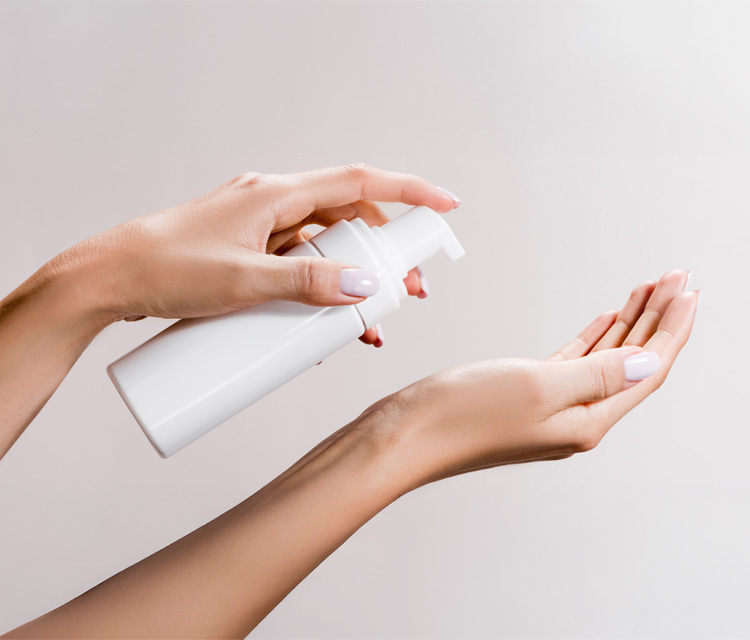
The skin of the hands, like the skin of the face, is in the closest contact with the external environment, and therefore is most susceptible to its influence. However, if the faces of our clients are in the zone of constant attention, then hand care is often limited to a massage after a manicure and a night cream. Although in the arsenal of modern cosmetology there are many means for correcting age-related changes in the skin of the hands.
Almost everyone already knows that the appearance of the skin on the hands (as well as the appearance of the skin on the neck) can determine a person's age. Therefore, competent professional care for the skin of the hands (both prevention and therapy) is of great importance. Moreover, with age, it is quite difficult to hide changes in these areas of the skin. In many ways, they are due to the anatomical structure.
Features of the skin of the hands
The anatomical features of the skin of the hands differ from the skin of the face and body. For example, the thickness of the subcutaneous fatty tissue is 4-5 times less than on the face and body. The skin of the hands contains practically no sebaceous glands. In addition, the water content of the skin of the hands is 4-5 times less compared to the skin of the face. It is also worth noting that the appearance of the hands depends very much on the condition of the muscles and tendons.
Of course, over time, age-related changes occur in the skin of the hands:
- the secretion of protective sebum slows down even more;
- the ability of cells to retain water decreases;
- Muscle atrophy begins, the skin seems to lie on the small bones of the phalanges and tendons;
- the walls of blood vessels lose their thickness and become more translucent;
- thin or less elastic skin emphasizes the contour of the veins;
- blood supply worsens;
- epidermal cells become less active, their division slows down;
- the skin is less well renewed and becomes thinner;
- the synthesis of collagen and elastin decreases;
- the skin of the hands loses its ability to naturally regenerate itself more quickly;
- it becomes thinner and drier, flabby and wrinkled;
- pigment spots form.
Full version of the access article in Ukrainian