Microelements and hair: the role of mineral imbalance in the pathogenesis of aesthetic defects
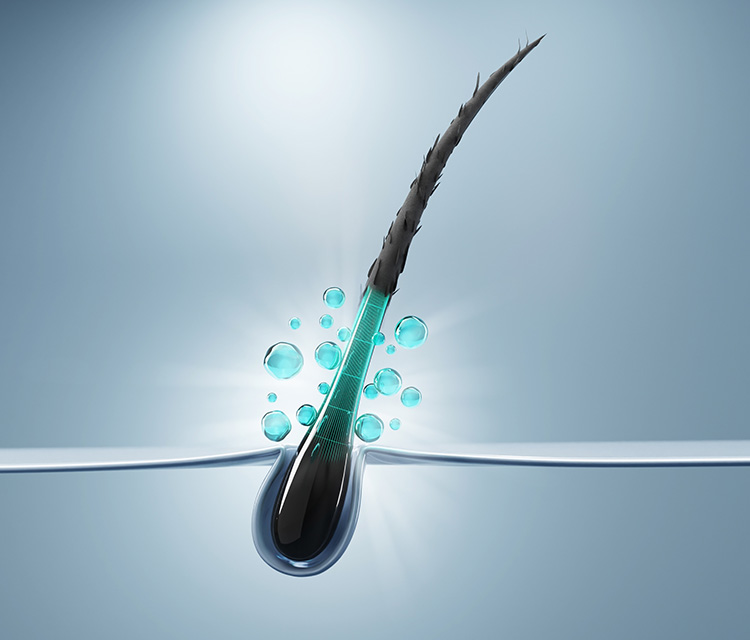
Hair analysis for trace element content followed by mineralogram construction will allow you to balance your diet correctly and accurately. Let's figure out how to eliminate trace element deficiency using a strand of hair.
No one will doubt that nutrition is of direct importance for the growth and appearance of hair. And in order to achieve results in improving hair health, the modern beauty industry focuses not only on cosmetic products, but also on the correction of mineral and protein metabolism.
What is a mineralogram?
Many deviations in health can be associated with a lack or, conversely, an excess of certain micro- and macroelements in the body. An imbalance of bioelements can lead to both functional abnormalities and various diseases. Children and adolescents during the period of intensive growth, pregnant and lactating women, people with chronic diseases of the gastrointestinal tract, endocrine system, prone to frequent colds, with increased emotional and physical stress are primarily susceptible to a deficiency of chemical elements. Various biological substrates are suitable for analysis (blood, urine and even hair).
Hair is capable of accumulating and preserving "information" about human mineral metabolism, and throughout its entire growth period. Hair strands can be used to conduct a correlation analysis that reflects the deficiency or excess of micro- and macroelements in the entire body - spectral analysis of hair for the content of microelements with subsequent construction of a mineralogram, i.e. a study of the mineral profile of the body, or a microelement "portrait", based on the presence and concentration of chemical elements in the hair.
Full version of the access article in Ukrainian