New challenges in regenerative medicine: aesthetic correction Ozempic Face
From local facial aesthetics to a systemic medical approach
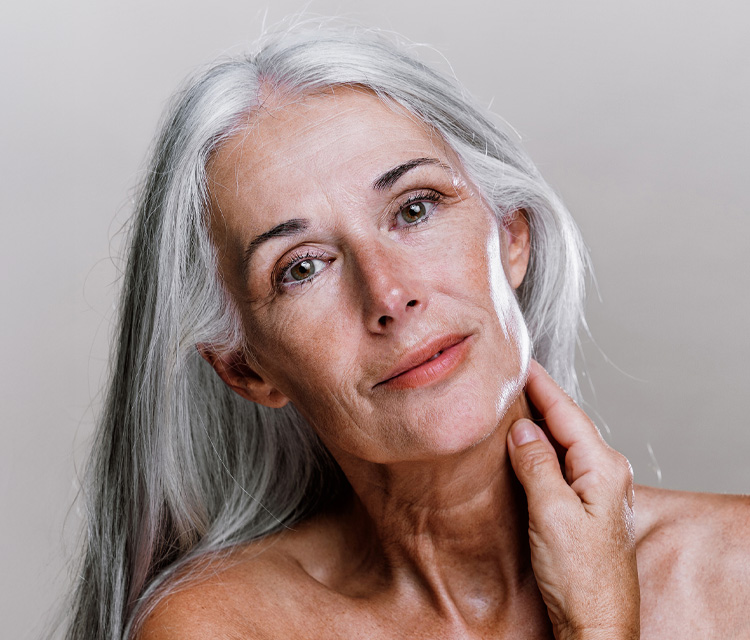
The aesthetic medicine industry has entered the era of “GLP-1 patients.” The triumphant popularity of glucagon-like peptide-1 receptor agonists has changed not only endocrinology, but also the face of modern cosmetology – literally. Rapid weight loss forms a specific morphotype, known as the Ozempic Face, which requires fundamentally new work algorithms from the doctor.
The problem of “Ozempic face” is an aesthetic consequence of rapid weight loss from the drug “Ozempic”, which is manifested by loss of facial volume (cheeks, temples), sagging of the oval, a tired appearance and emphasis on nasolabial folds due to the rapid disappearance of subcutaneous fat, which requires cosmetic or surgical solutions to restore elasticity and volume. This is not a medical term, but a folk name that describes facial changes due to significant weight loss on the background of taking the drug.
Pathophysiology of the phenomenon: why does deflation become critical?
The phenomenon of Ozempic Face is not just a consequence of weight loss. It is the result of rapid deflation of fat compartments on the background of metabolic stress. The key problem is that the rate of loss of subcutaneous adipose tissue significantly exceeds the adaptive capabilities of the skin to retraction.
Full version of the access article in Ukrainian
Read also
- Regenerative medicine: a question of the future
- Next-generation lipofilling
- A winning combination: effective skin regeneration and protection from negative environmental influences
- The Importance of Post-Procedure Care for the Outcome of Aesthetic Treatments
- Skin barrier function: ability for natural regeneration
- Cosmeceuticals in action: skin restoration in the neck and décolleté area
- Recovery strategy: regenerative procedures in cosmetology
- Intensive damaging procedures: how to shorten the rehabilitation period
- Corneotherapy in cosmetology: new opportunities for doctors and patients