A winning combination: effective skin regeneration and protection from negative environmental influences
Teach your patient to be a conscious participant in the skin restoration process
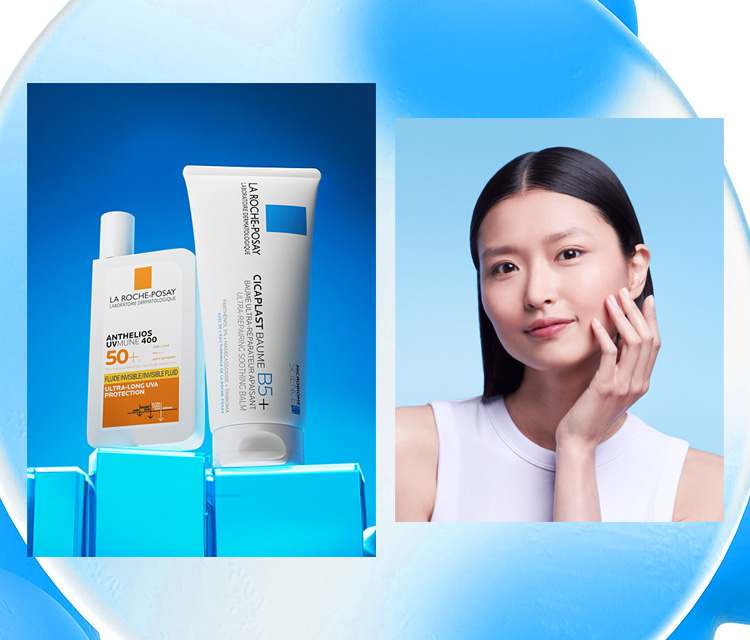
Skin regeneration and subsequent protection from negative environmental influences are essential components of the desired results of many aesthetic procedures. This is now an axiom beyond doubt. This is especially true when it comes to interventions that disrupt the integrity of the skin or its microbiome—peels, injection techniques, and hardware-based procedures, which have become must-haves for many aesthetic needs.
Many aesthetic procedures damage the skin's protective barrier, leaving it vulnerable to infections, sun damage, and dehydration. The skin becomes sensitive and, without adequate protection, can react with irritation, inflammation, pigmentation, and even scarring. Proper post-procedure care promotes regeneration, minimizes the risk of complications, and helps maintain the achieved results.
Why is skin protection so important during this period? Don't assume all your patients know this. Explain to them that procedures like peels or lasers damage the top layer of the epidermis, disrupting the skin's natural protective barrier. Some procedures leave open wounds or micro-punctures in the skin, which act as entry points for bacteria and infection. Thin and damaged skin becomes more sensitive to external factors, especially UV radiation.
The microbiome — an ecosystem of microorganisms (bacteria, fungi, and viruses) that inhabit the surface and upper layers of the skin — plays a key role in maintaining skin health. This microflora plays a key role in protecting the skin by maintaining its barrier function, regulating inflammation, participating in lipid synthesis and maintaining the skin's pH balance, and protecting against pathogens.
Beneficial microorganisms in the microbiome compete for nutrients and space with pathogens, preventing their proliferation and thereby physically protecting the skin. The microbiome helps maintain the skin's moisture balance and natural pH, which is an important factor in protecting against infections. This "microbiome" regulates the immune response: microorganisms interact with the immune system, "training" it to recognize harmless and harmful microbes. The microbiome is involved in regulating local inflammatory processes and also promotes proper regeneration and wound healing.
A balanced microbiome ensures healthy, resilient skin. However, during aggressive treatments, the microbiome also suffers, and disruption of this balance can lead to problems such as increased skin sensitivity, inflammation, dryness, and accelerated aging. Therefore, maintaining the skin's "microbiome" is also a crucial task for recovery after aggressive treatments. This is an important focus for patients, as the outcome of an aesthetic procedure also depends on their participation in the regeneration process. It also depends on how consciously and correctly the patient implements home care for damaged skin. Therefore, it's important for them to understand how protection helps the skin actively recover.
*Full version of the access article in Ukrainian and Russian
Read also
- Regenerative medicine: a question of the future
- Next-generation lipofilling
- The Importance of Post-Procedure Care for the Outcome of Aesthetic Treatments
- Skin barrier function: ability for natural regeneration
- Sunkissed: how to choose the best protection against pigmentation?
- Cosmeceuticals in action: skin restoration in the neck and décolleté area
- Recovery strategy: regenerative procedures in cosmetology
- Stem cells