The evolution of acne therapy
From antiseptics and retinoids to prebiotics and probiotics
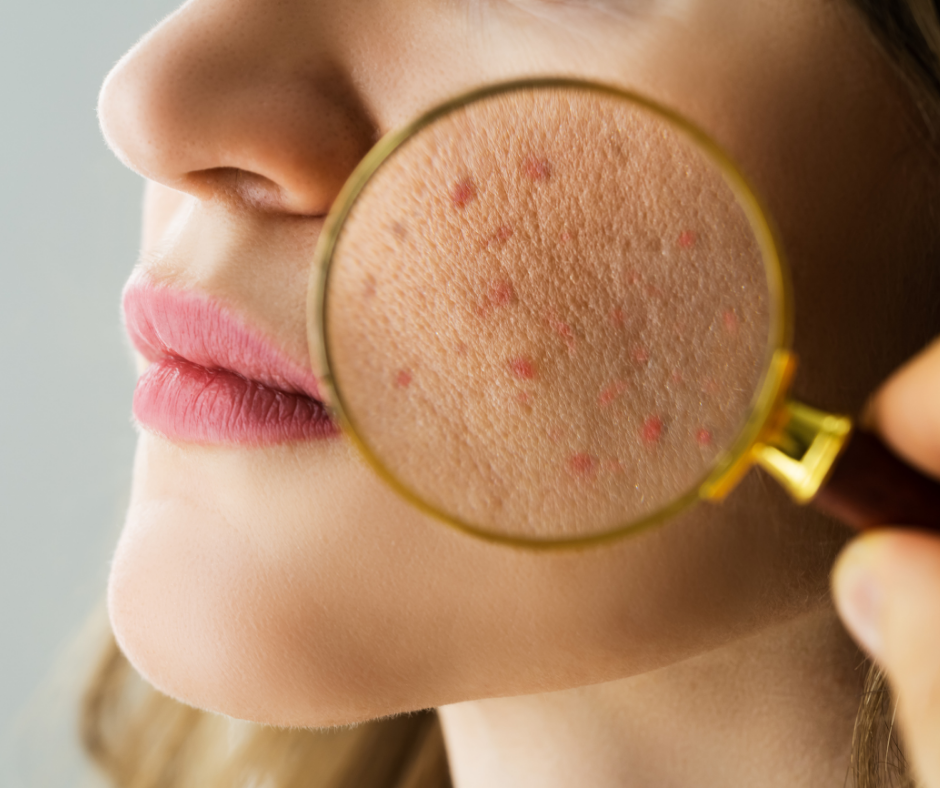
Acne treatment has long relied on antiseptic approaches. New data on the skin microbiome demonstrate that reductionist strategies may be ineffective or even harmful in the long term. This has given rise to the modern trend of microbiome-friendly therapies.
Classical protocols involved cleansing and reducing the number of P. acnes using benzoyl peroxide, acids or antiseptics. These methods eliminate not only pathogenic, but also beneficial bacteria, which led to a short-term effect and rapid relapses.
The second stage of therapy development is the use of retinoids, which reduce the activity of 5-α-reductase and sebum synthesis. This indirectly worsens the conditions for P. acnes. However, retinoids disrupt the barrier, provoke irritation and do not provide stable remission.
The modern approach is to restore the skin microbiome. Beneficial bacteria are able to suppress excessive reproduction of microbial strains, displace pathogens, synthesize anti-inflammatory molecules and reduce the activity of both 5-α-reductase and other inflammatory factors. Prebiotics and probiotics are used for this.
Full version of the access article in Ukrainian
Read also
- Around the lips: strategies for restoring skin quality in the perioral area
- Abdominal skin restructuring: from collagen stimulation to non-invasive lifting
- The beauty paradox: how over-care provokes chronic inflammation and premature aging.
- Aesthetic medicine of the mammary glands: algorithms for choosing professional care
- Sebum, hormones and the role of microflora in the pathogenesis of acne
- Correction of microelementosis in EM: enhancing the results of professional procedures
- DERMA 2026: networking and knowledge that builds trust.
- Sensitivity or inflammation? A differential approach in choosing professional care
- How to treat body acne?
- 4rest (Forest), company
- Rosacea
- Couperosis
- Angioneurosis
- Peloid therapy
- Waxes for depilation
- Fordyce granules
- Bogomolets Olga
- Microneedle therapy