Sebum, hormones and the role of microflora in the pathogenesis of acne
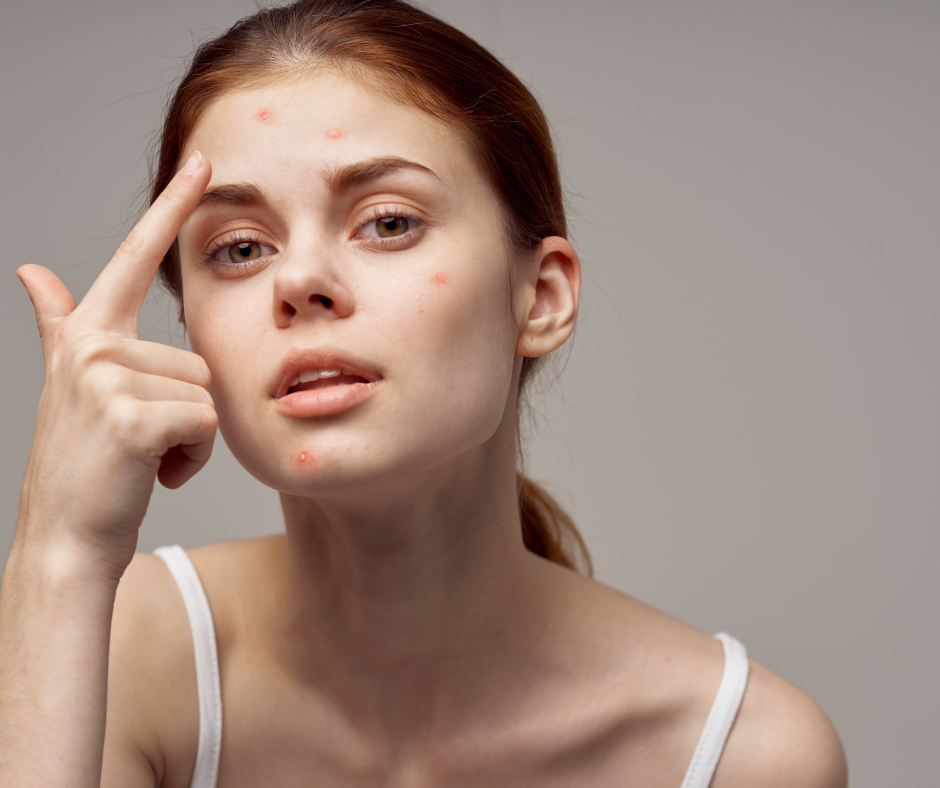
New data from the Human Microbiome Project have changed the understanding of acne mechanisms and opened up possibilities for more physiological approaches to therapy.
When working with patients with acne and seborrheic disorders, it is important to consider not only the amount of sebum or the level of hormonal influence, but also the state of the microbiome. New data from the Human Microbiome Project have changed the understanding of the mechanisms of acne and opened up opportunities for more physiological approaches to therapy.
Patients with acne and oily skin often perceive seboregulation as the main goal of therapy. At the same time, modern studies demonstrate that the pathogenesis of acne is much broader than sebum hypersecretion.
Understanding the interaction of hormones, sebaceous gland enzymes and skin microflora allows cosmetologists to build more accurate individual protocols.
Oily skin is caused by excessive activity of the sebaceous glands. Their main function is the synthesis of sebum, a complex lipid mixture that forms a protective film and maintains barrier properties. Insufficient sebum content causes dryness and sensitivity, while excessive sebum content contributes to discomfort and creates conditions for microbial disorders.
Full version of the access article in Ukrainian
Read also
- Correction of microelementosis in EM: enhancing the results of professional procedures
- DERMA 2026: networking and knowledge that builds trust.
- Sensitivity or inflammation? A differential approach in choosing professional care
- How to treat body acne?
- Between the procedure and the result: home care as the key to prolonged effectiveness
- Dynamic care: strategies for changing protocols according to skin age stages
- Banning ingredients in cosmetics. Part 2
- Complications after mesotherapy: delayed reactions
- Anti-inflammatory arsenal: which ingredients really work for couperose
- 4rest (Forest), company
- Rosacea
- Couperosis
- Angioneurosis
- Peloid therapy
- Waxes for depilation
- Fordyce granules
- Bogomolets Olga
- Microneedle therapy