Dynamic care: strategies for changing protocols according to skin age stages
Prevention vs. correction: how the focus of skin care changes at different age stages
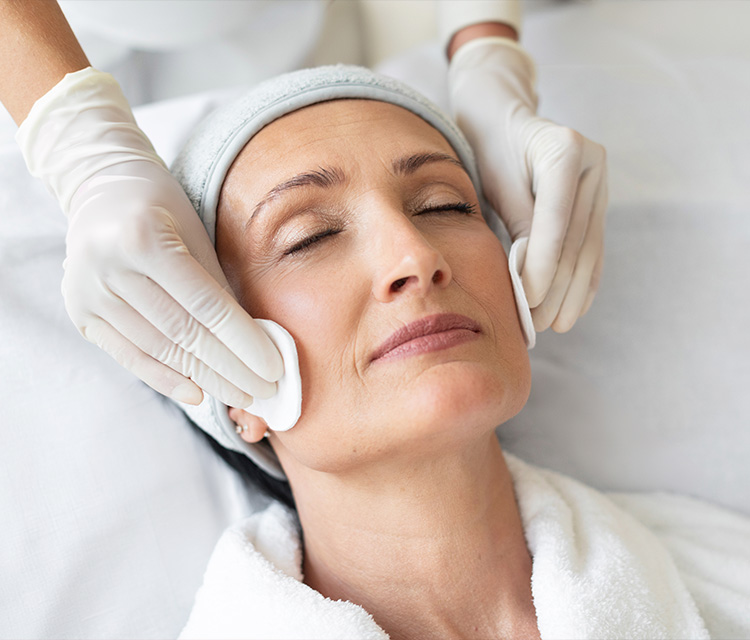
Modern cosmetology is moving away from rigid protocols, focusing on dynamic care that adapts to the physiological, hormonal and epigenetic changes of the skin throughout the patient's life. The success of the practice is determined not only by the quality of the procedures, but also by the clinician's ability to shift the focus of therapy from aggressive correction to scientifically based prevention and resource support.
Pathophysiological basis of the dynamic approach
Skin aging is a multifactorial process, conventionally divided into three main phases, requiring an individual approach to the goals:
- Prevention phase (20–30 years): the key problem is oxidative stress, the debut of photoaging and acne-post-inflammation. Collagen and elastin resources are high, but a decrease in mitochondrial activity begins.
- Support and correction phase (30–45 years): the key problem is a decrease in the synthesis of type I collagen, slowing down cell renewal, the appearance of mimic wrinkles and a decrease in hydroreserve.
- Restructuring and replacement phase (45+ years): the key problem is a significant decrease in dermal volume (loss of HA, fibrosis), hormonally-induced aging (menopausal period), deep wrinkles, ptosis.
Full version of the access article in Ukrainian
Read also
- Age-related changes in the face and body: is it possible to correct them without surgery?
- Anti-aging care: cosmetics that prevent the appearance of signs of skin aging
- The beginning of the new era of proper collagen formation: the presentation of the world-famous drug
- New product - new possibilities: RRS HA Long Lasting
- Aesthetic correction of skin changes during menopause
- Acids and dermal reductants as tools for correction of involutional changes
- Peculiarities of aesthetic correction of the face in patients of mature age