Cosmetology and nutraceuticals: Dietary supplements, vitamins and antioxidants
Dietary supplements: a history of popularity
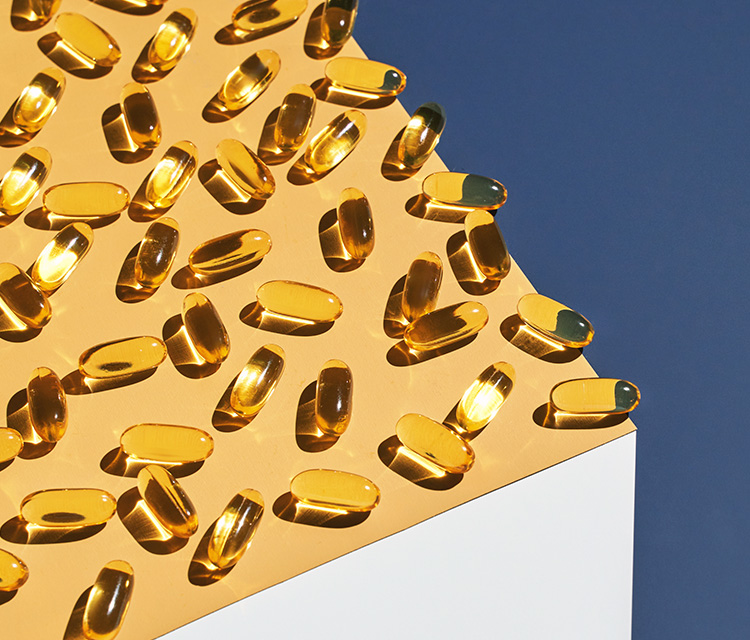
The close connection between nutrition and skin condition and health has long been known and proven. Therefore, today, in combination with cosmetology procedures, beauty industry specialists widely use biologically active food supplements.
Even in ancient times, medicines for humans were those substances and products that they ate: roots, fruits, bark, leaves and stems of plants, body parts and organs of various animals (including those that are generally considered inedible from a modern point of view), soil and minerals. Information about the healing and health-improving effects of food substances has been preserved in ancient Eastern medicine (ancient Chinese, ancient Indian, Tibetan), which has survived to this day.
The recipes of therapeutic and prophylactic agents at that time had a very complex, multi-component composition and natural origin. Dietary supplements (biologically active additives) as a special category of products appeared in the middle of the 20th century.
The need for special food additives containing various biologically active substances was dictated both by a change in the diet of modern people, a sharp decrease in the concentration of vitamins and minerals in it, and by the need to extend the period of activity and working capacity of the aging population of developed countries.
Full version of the access article in Ukrainian
Read also
- Nutraceuticals in cosmetology practice: what to pay attention to
- Antioxidants: do we really need them?
- Challenges of time and new possibilities of EM: a new season of live broadcasts from the Estet company has begun!
- Note to EM specialists: water-soluble vitamins
- Antioxidants in cosmetic products as prevention of photoaging
- Are antioxidants trendy or necessary?
- The big and almighty vitamin D