10 facial makeup techniques that a makeup artist should know
Take note
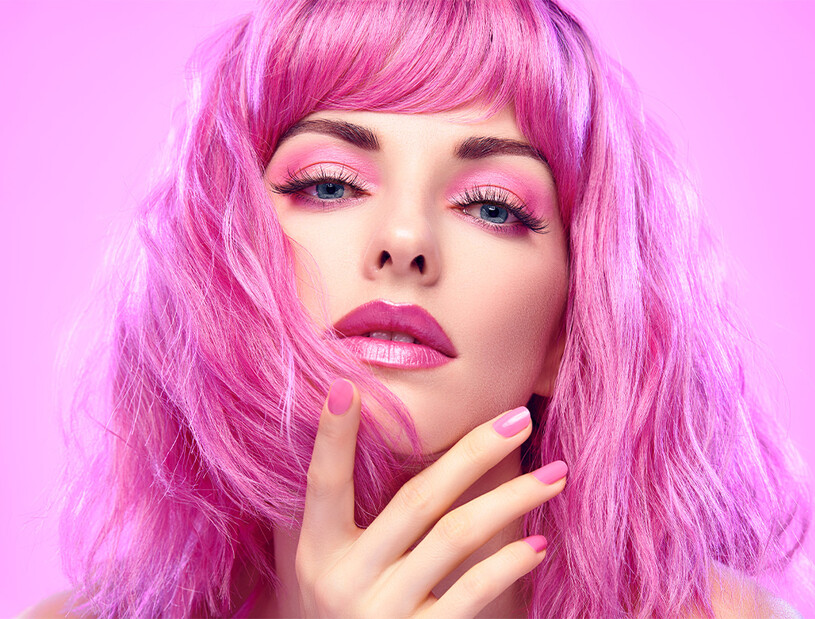
Let's figure out what facial makeup techniques a makeup artist should know and be able to perform, how they differ from each other, and why some of them remain popular for many years.
Strobing
Strobing is a facial correction technique based on highlighting prominent areas of the face with reflective cosmetic products. Due to the glare, the face is given relief. This technique allows you to give your face a healthy and fresh look, and, if desired, the effect of wet skin or a contrasting glow. Strobing has remained popular over recent years and can be used alone or combined with other facial correction techniques.
Chroming
Chroming is a makeup technique that involves creating a radiant effect using lipstick with pearlescent microparticles, which acts as a highlighter. Chroming is considered a simplified version of strobing, because it does not require a lot of time and products.
Glass skin
Glass skin is a makeup technique that allows you to create a natural radiance and smoothness on your face through proper care and application of cosmetics with a liquid texture. At the same time, the skin looks as smooth as possible and resembles the surface of glass. This technique was invented in Korea, where smooth, glowing skin without inflammation and enlarged pores is a sign of youth.
Draping
Draping is a technique for correcting the face in makeup, which is performed using blush of two shades (lighter and darker) and a highlighter. Draping is applied only in the cheekbone area.
Bronzing
Bronzing is a facial correction technique based on darkening certain areas of the face using bronzer. The bronzer has a reddish-brown tint, which gives the skin the most natural effect of a golden tan and a rested face, if you do not overdo it with the product. That is why every summer bronzing returns to the top popular techniques.
Contouring
Contouring (sculpting) is a complex work that involves placing light highlights and shadows on the face using darkening and brightening correctors (most often matte). Professional contouring makes the face visually more sculpted, youthful and thin. Due to its advantages, contouring has remained in trend for many years, only the degree of its expression on the face changes.
As a rule, contouring with dry textures is performed during client makeup, and with cream products during filming or when creating stage makeup.
Microconsulting
Microconcealing is a complex technique for masking problem areas on a client’s skin. Using a very thin, pointed brush, the makeup artist covers imperfections with concealer, as if creating an airbrushed effect. All you need to master the technique is a light hand, a small amount of product and a precise brush.
Baking
Baking is a popular makeup technique in the United States that can be used to achieve a completely even skin tone and a matte effect. The main products when performing it are concealer and loose powder. They seem to be “baked” on certain areas of the face that need highlighting. Baking will be especially useful if your client has oily or combination skin, large pores are visible, or dark circles are noticeable under the eyes.
Nonturing
Nontouring is a makeup technique that allows you to create the effect of a healthy glow of the skin, which gives the face the most natural appearance. For nontouring, you need to use a foundation with a light texture and moisturizing effect to create a natural skin tone. Highlighter should be used in moderation to give your face a healthy, refreshing glow.
"Makeup without makeup"
“No makeup makeup” is a full-face makeup technique that uses cosmetics to create a perfectly even and natural skin tone with minimal emphasis on the eyes and lips. The main task is to give the face freshness without the effect of a mask. The natural effect is created by applying a variety of cosmetics, but they seem to dissolve on the skin, leaving only the effect of smooth and slightly radiant skin.
Read also
- Cocktail makeup: features of creation
- A new interpretation of the cut crease technique – a bold winter trend
- Top 5 loose powders for perfect makeup
- Makeup with strobing effect: step-by-step technology with photos
- Convenient format: top 6 foundations in a stick
- Natural “makeup without makeup”: step-by-step technology with photos
- Cold season: how to get rid of flaky skin before makeup?
- Powder for dry skin: top 6 compact and loose products
- Top 7 foundations for oily skin
- Babette technique
- Serum
- Horizontal makeup technique
- Pencil technique
- Vertical technique in makeup
- Watercolor makeup technique
- Face powder
- evening make-up
- Makeup glass skin