Retinoids as anti-age substances
Retinoids, or vitamin A, have long been touted by pharmaceutical companies, which market the drug Retin A (tretinoin), as anti-aging agents simply because they have keratolytic and peeling effects.

There are many classes of retinoids (or forms), but they all come originally from the same sources: vitamin A - from liver oil of fish, poultry (eggs) and animals. When used in large quantities, these substances can have varying levels of toxicity. However, plant-derived retinoids are in the form of beta-carotene and are not toxic because they are not converted into vitamin A until they enter the body either through food or when applied topically using transepidermal delivery systems.
At this stage, the enzymatic conversion of beta-carotene to retinol occurs, which leads to the capture of exactly the required amount of vitamin A by the cell membrane to stimulate organelles within the cell and, most importantly, creates new fibroblastic activity, which in turn increases the production of new collagen I and type III. This immature baby network of collagen fibers, lifting up old, sagging fibers, is partly responsible for the tightening and strengthening of the skin that we see with properly formulated enzyme and retinoid treatments. I've always called this phenomenon "the art of conversion," and we see it a lot in science.
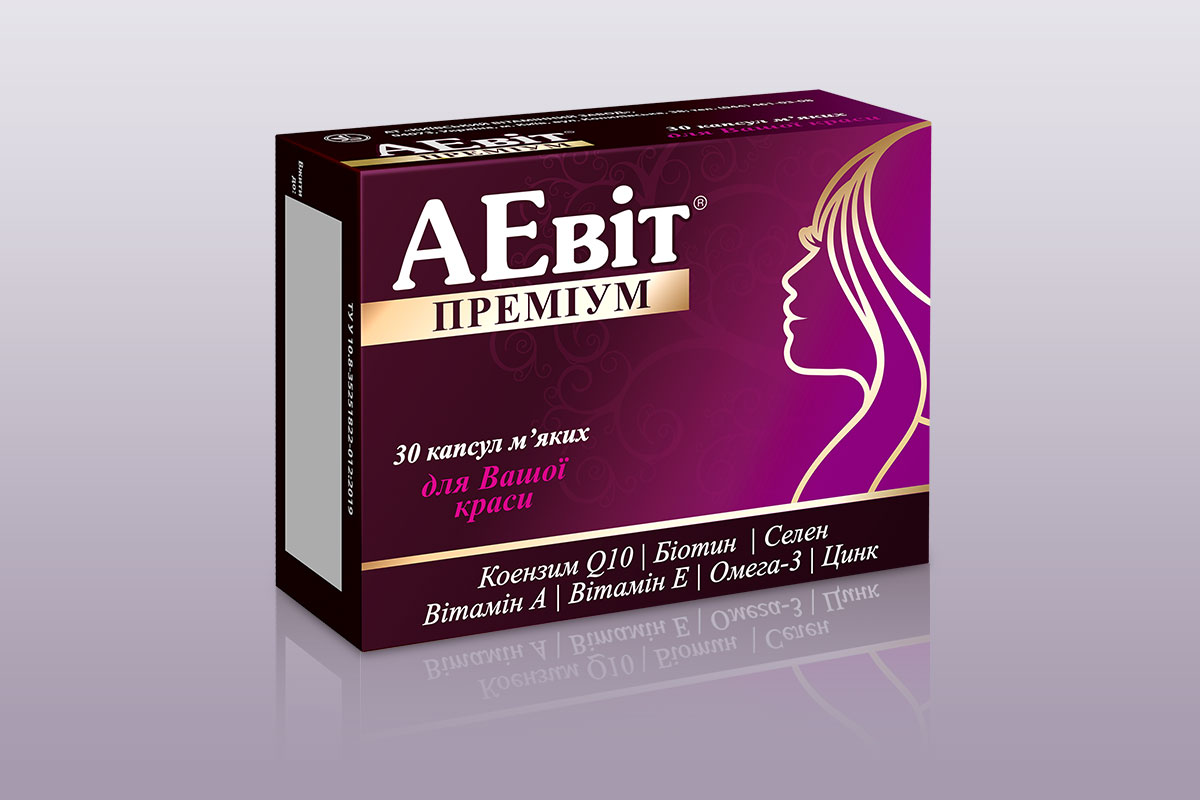
When using topical medications, vitamins A and E can be destroyed under the influence of oxygen and ultraviolet radiation, so it is important to draw patients’ attention to additional vitamin intake. This is especially important for those who do not have the opportunity to adhere to a healthy lifestyle. AEvit® Premium can be used as an additional source of antioxidants and substances that affect energy metabolism. Vitamin A helps normalize the formation of sebum, helping to prevent acne, enhances the synthesis of collagen fibers, increasing the smoothness and elasticity of the skin, has a beneficial effect on the functioning of the endocrine and exocrine glands, stimulates the proliferation of epithelial cells, rejuvenates the cell population, and also slows down the processes of keratinization. Vitamin E prevents damage to cellular structures by free radicals. Biotin helps improve the condition of skin, hair and nails. Omega-3, which belongs to the class of polyunsaturated acids that are not synthesized by our body independently, improves the condition of hair and skin. Coenzyme Q10 reliably protects against UV radiation, reducing the development of pigmentation and improving the prevention of wrinkles. Zinc regulates the activity of the sebaceous glands, helps to cope with oily sheen and improve skin condition. Selenium, an antioxidant mineral, is essential for many processes in the body.
New combination
Hydroxypinacone retinoate, a new combination of retinoids, binds to retinoid receptors in the skin and triggers a cascade of mechanisms, including increased cell proliferation and the biosynthesis of extracellular proteins and glycans. This combination also improves cell turnover without the irritating factors associated with today's popular products (many of which are touted as new, exclusive, or better, but are simply reformulated versions of regular retinoids).
The mechanism of action of this unusual retinoid compound works directly with the retinoid receptors in the skin, thereby eliminating the irritation caused by the slower metabolic breakdown of old-fashioned retinoid creams or lotions.
Even with such innovations, I always rely on plant beta-carotene as a precursor to any retinoid formula ⎼ thanks to the theory of natural conversion that occurs along with the work of epidermal growth factors found in our skin, the innate immune response system (Langerhans cells) and even young stem cells located in the epidermis along with other epidermal growth factors.
Not retinoids alone
However, retinoids are not the only factor in skin revision - they are part of the construction process that allows our skin to rebuild itself if stimulated by a professional procedure (skin cells “remember” their youthful state recorded in DNA) and maintains the result with careful use of home remedies formulated individually for each skin condition of our patients.
Proteins, micellized lipids bound to water, and coenzymes with their vitamin partners are absolutely essential.
And here we are not talking about the quick fix, or the quick procedures that our patients receive by turning to injections and aesthetic surgeons - these two wonderful categories in our war against premature aging. We talk about fundamental truths about how our skin actually functions and what it needs to renew and maintain itself throughout life.
This article is part of the special project Global anti-aging
You can read all the articles on this topic:
SPECIAL PROJECT. Global anti-aging
- Danne Montague-King, Doctor of Biochemistry and Pharmacology, founder of DMK (USA)
- Les Nouvelles Esthetiques Ukraine 1 (101)/2017
Read also
- Post-injection reactions: complications and side effects after mesotherapy
- From redness to anaphylaxis: diagnosis and emergency care for allergic reactions
- Results of "Christmas LION" 2025: when fairy tale meets science
- What does hyaluronic acid provide in skin care?
- In focus: a revolutionary solution for the treatment of all types of hyperpigmentation
- Hypoxia of aging: the role of microcirculation in the pathogenesis of age-related skin changes
- In focus: 4D strategy in skin care for hyperpigmentation
- Zero risk: general principles for preventing complications from chemical peels
- Glycation and skin aging
- 4rest (Forest), company
- Rosacea
- Couperosis
- Angioneurosis
- Peloid therapy
- Waxes for depilation
- Fordyce granules
- Bogomolets Olga
- Microneedle therapy