Integrative approach in EM: diagnostics of micronutrient status as the foundation of a successful protocol
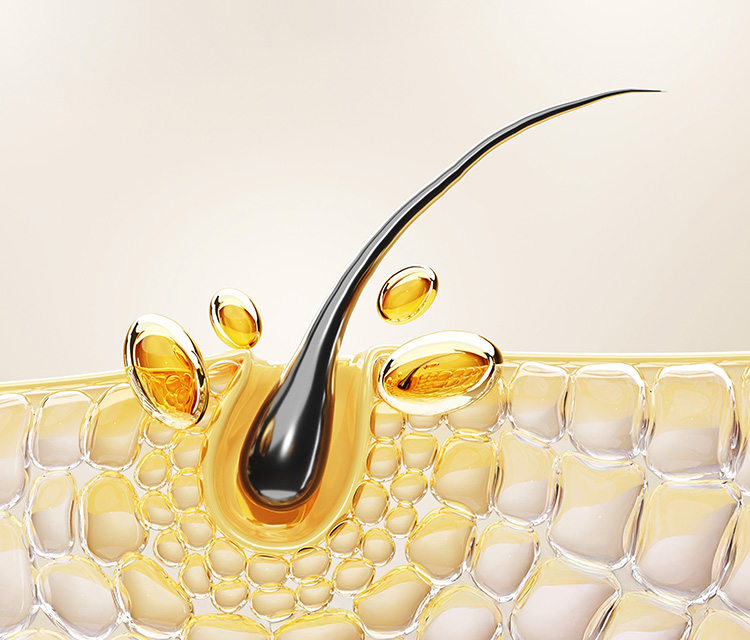
The ultimate goal of hair analysis is not just prescribing supplements, but fundamental dietary correction. Knowing the individual deficiency profile, a cosmetologist or nutritionist can balance the patient's diet (for example, increase the consumption of foods rich in bioavailable copper or iron).
This creates an internal foundation for the success of any external interventions: from head mesotherapy to contouring. We talked about iron deficiency in the first part of the article.
Now let's talk about no less important bioelements.
Iodine is a structural component of thyroid hormones. It participates in the regulation of protein, fat, water and electrolyte metabolism. A lack of iodine in the body leads to hypothyroidism and, as a result, symptomatic hair loss. Other signs of hypothyroidism are dry skin, thin, brittle hair and nails, and a decrease in the rate of hair growth. In case of iodine deficiency, focal and even total alopecia, which is autoimmune in nature, may develop.
Copper is an important "female" element, the normal synthesis of female sex hormones - estrogens - depends on it. Copper is a coenzyme in many biochemical processes, it is important for maintaining the normal structure of elastin and collagen. In case of copper deficiency, hair pigmentation disorders may occur. Early graying can also be a manifestation of this bioelement deficiency.
Zinc is necessary for the synthesis of proteins, in particular collagen. Zinc plays a crucial role in the processes of skin regeneration, hair and nail growth, and sebaceous gland secretion. It regulates the activity of the latter and controls the secretion of male sex hormones, an excess of which can lead to hyperandrogenic alopecia.
Full version of the access article in Ukrainian
Read also
- Microelements and hair: the role of mineral imbalance in the pathogenesis of aesthetic defects
- Lasers for hair removal: how to make the right choice
- Removing unwanted hair: laser hair removal as the main method of choice
- Hair growth pathologies: application points for laser hair removal
- Psychotrichology: the relationship between stress and hair loss