Injection correction of skin aging: the benefits of bioreparants
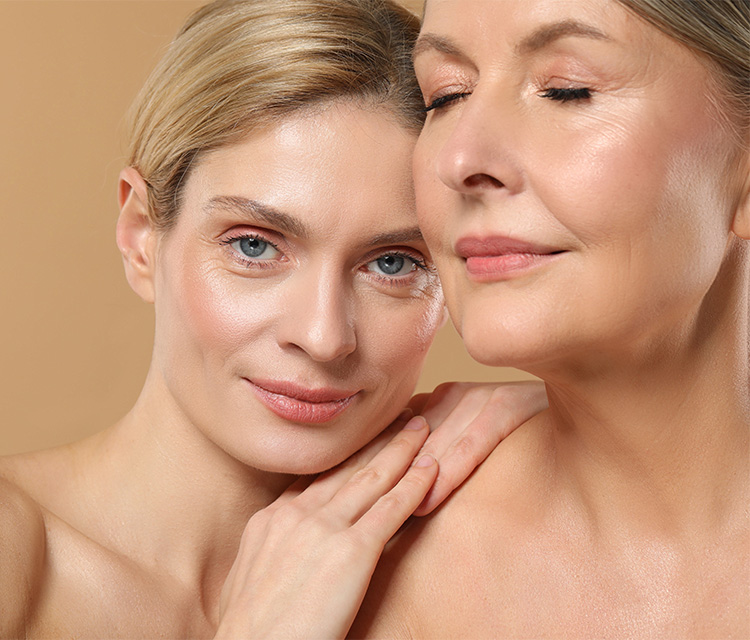
It would seem that the capabilities of all medicines are already well known, tested and used. But it turns out that there are other ways to create new drugs – for example, using not a ready-made drug, but innovative technology. This approach turned out to be so fruitful that it led to the creation of a whole class of new cosmetic products, which were called “bioreparants”.
Bioreparants are drugs that fall into the category of “injection cosmetology drugs”. They are modified hyaluronic acid (HA) with “grafted” bioactive substances – vitamins, amino acids, peptides, which are vital for skin regeneration. This group also includes mesopreparations, biorevitalizers, bioreinforcement drugs, and fillers. The main indication common to all of the above-mentioned drugs is age-related skin changes. The specifics of the action of different classes of drugs are related to the physical characteristics of HA and additional ingredients in the drug formulation.
To understand what the revolutionary advantage of bioreparants is and how the composition and use of the latest technologies have affected their consumer properties and clinical results of application, it is necessary to recall what processes occur in the dermis during skin aging. Skin aging as a separate case of aging of the whole organism can be considered from the point of view of changing the steady state, in which complex compounds (for example, collagen, elastin, glycosaminoglycans, including hyaluronic acid) are continuously synthesized during some processes and decomposed during others. Coordination of synthesis/decomposition processes is extremely important for maintaining skin health. There is a clear correspondence between the intensity of the exchange of glycosaminoglycans and collagen proteins of the dermis. The intensity of skin aging depends on the ratio of these processes. With age or as a result of the influence of adverse environmental factors, this ratio changes as a result of a decrease in the rate of formation of such biomolecules and an increase in the rate of their decomposition.
Full version of the access article in Ukrainian
Read also
- Hyaluronic acid and vitamin B5: the optimal combination for rejuvenation and restoration of sensitive skin
- Hyaluronic acids and vitamin B5: synergy to rejuvenate and restore sensitive skin
- Age-related changes in photoaging: correction options
- Photoaging: the effects of ultraviolet light on the skin
- Anti-age care programs: how to achieve effectiveness
- New products: ecosomes, polylactic and hyaluronic acids, SPF, stem cells in preparations
- Fighting skin aging: once again about the possibilities of НА
- Hyaluronic acid — not just moisturizing: why cosmetics will not replace fillers