Features of botulinum therapy in men
Relevance of the issue The most popular cosmetic procedures in the USA are the procedure for injecting botulinum toxin. This is exactly what they testify to...
Relevance of the issue
The most popular cosmetic procedures in the United States are the botulinum toxin injection procedure. This is precisely what the 2013 data from the American Society for Aesthetic Plastic Surgery ASAPS (American Society for Aesthetic Plastic Surgery) shows (see Table 1).
Table 1. The most popular cosmetic procedures in the USA
| Place | Procedure | Total carried out | % of total quantity |
| 1. | Botulinum toxin | 3 766 148 | 39.5 |
| 2. | Hyaluronic acid injections | 1 872 172 | 19.6 |
| 3. | Laser hair removal | 901 571 | 9.5 |
| 4. | Microdermabrasion | 479 865 | 5.9 |
| 5. | Photorejuvenation | 456 613 | 4.8 |
Thus, in 2013 in the United States, according to ASAPS, more than 3.7 million BoNTA injections were performed. However, only 6% of them were done to men. It would seem that such a percentage is small enough to indicate the popularity of botulinum therapy among the male population of the United States.
However, the proportion of BoNTA injections in men is growing rapidly: by 8% since 2010 and by 268% since 2000. It is also worth noting that in Western Europe and the USA, 18% of all visits to aesthetic medicine institutions are made by men.
Unfortunately, there are no statistics on the performance of cosmetic procedures in our country, but seeing the existing global trend in cosmetology and aesthetic medicine and observing more and more male clients in aesthetic cosmetology centers, we can confidently declare the growing popularity and relevance of BoNTA procedures among men and in our country. country.
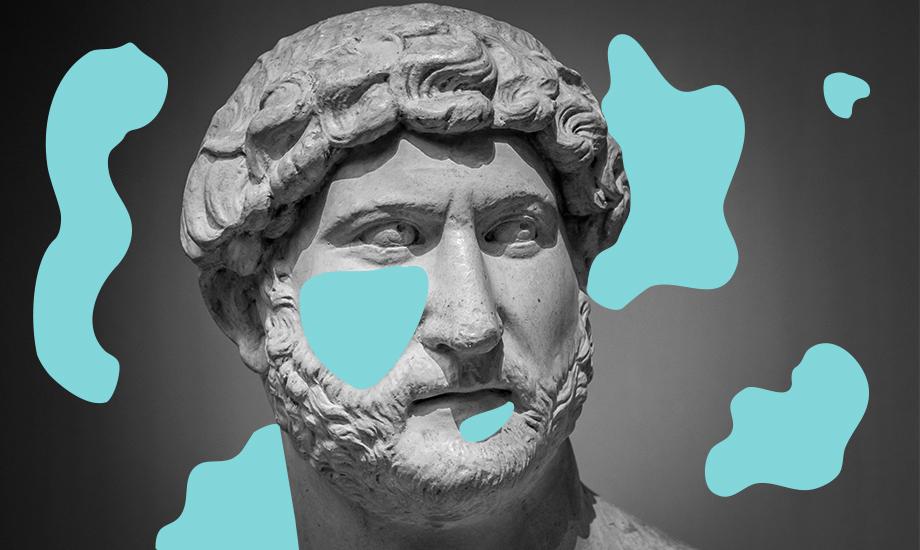
Having analyzed my own clinical practice, I came to the conclusion that the most frequently requested aesthetic correction procedures for men in our clinic are: volumetric correction with hyaluronic acid preparations, ultrasonic SMAS lifting, PRP therapy and/or biorevitalization, IPL therapy, botulinum therapy, etc. (listed by frequency of use of each type of procedure in descending order). At the same time, the share of botulinum neurotoxin injections is 16% (13% - aesthetic correction, 3% - hyperhidrosis); for women - 84%. I would especially like to emphasize that in the vast majority of cases of aesthetic correction in men, botulinum therapy is the procedure with which we complete the individual program; with the opposite sex, the opposite is true (most often, it is the highly professionally performed procedure of introducing a local muscle relaxant that is the beginning of acquaintance and the “key” to building a trusting relationship).
To carry out botulinum therapy procedures, a specialist needs sufficient, high-quality knowledge on this issue. For example, it is extremely important to know the answers to the following questions:
- What doses of BoNTA are optimal when working with men in terms of effectiveness and safety?
- What are the differences in BoNTA injection points between men and women?
- what are the differences in anti-age correction tactics in men.
Also an important factor is the analysis of the specifics of male psychology, the attitude of men towards aesthetic correction procedures. And, of course, the basis is knowledge of the anatomy and aging processes in men.
Features of facial anatomy in men
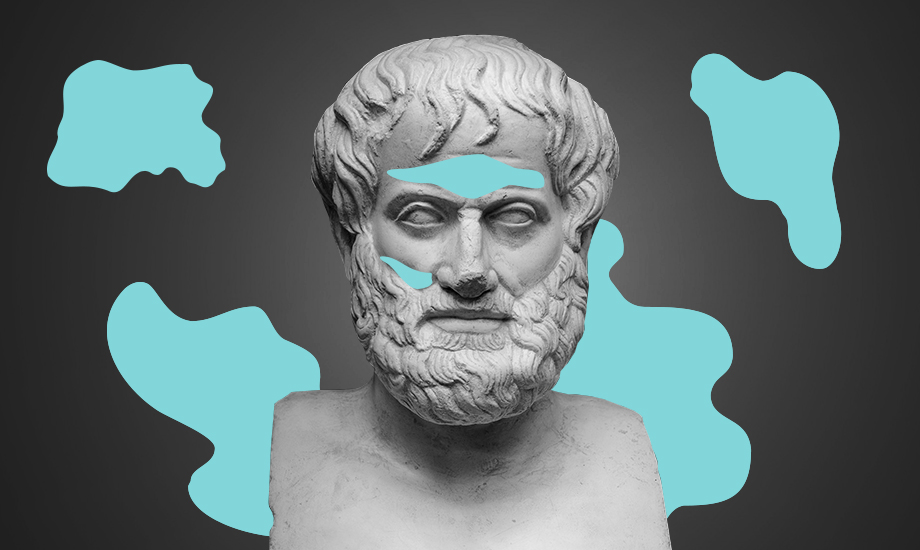
Men's skin has its own characteristics, which, together with the characteristics of the facial skull and the framework of facial muscles, determine the rhythm of the appearance and severity of symptoms of chrono- and photoaging. Accordingly, the features of facial anatomy require compliance with certain rules when carrying out botulinum therapy in men.
Sexual dimorphism refers to the phenotypic differences between males and females of the same species. These differences have a wide range and are most pronounced in differences in the structure of the genital organs, greater muscle mass and a more massive skeleton.
What should be noted regarding facial anatomy? What are the main gender differences in relation to botulinum therapy?
The facial muscles in men are stronger and more active.
If you compare the structure of male and female skulls, you can see that:
- The size of the female skull is on average 4/5 the size of the male skull;
- the male skull has certain differences in shape: the height and width of the forehead is greater in men, the forehead in men is more sloping back, protruding brow ridges, wide glabella, square orbit, larger in absolute terms than in women, massive, protruding chin and protruding angles lower jaw.
Thus, for aesthetic correction in men, it is important for a specialist to remember the following anatomical features:
- Forehead: Men have a greater height and width of the forehead.
- Supraorbital ridges/eyebrows: the brow ridges are pronounced, located lower than in women, along the brow ridges; significantly thicker; horizontal and without bends; a small distance from the eyebrow to the eye, ptosis of the upper eyelid is more pronounced, especially in old age.
- Wrinkles: Men have deeper facial wrinkles.
- Lower jaw: in men it is large, convex and the curves of the lower jaw are clearly visible.
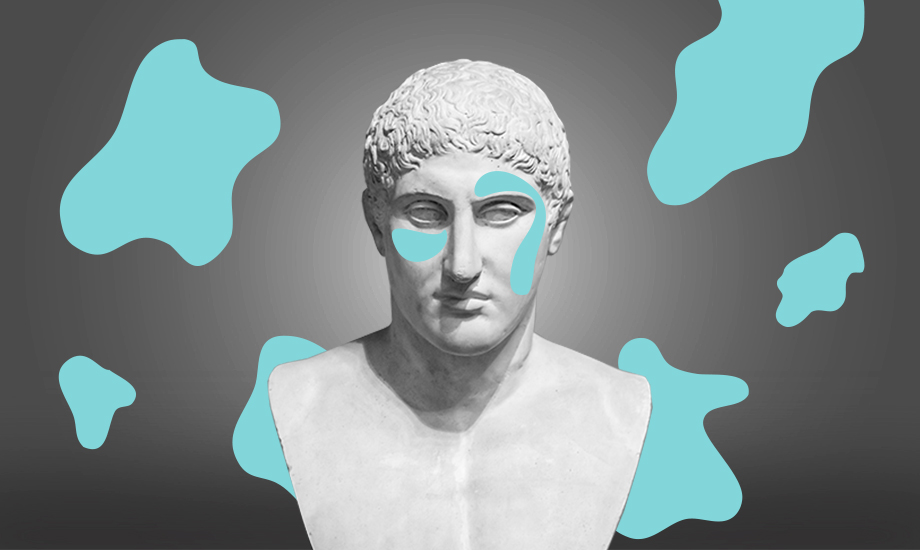
Muscles also differ between men and women. Thus, the mass of skeletal muscles in men is higher than in women (33 kg VS 21 kg). In addition, men have a greater vertical capacity of muscle movements (surprise, smile).
It is also known that men have more pronounced blood vessel density. True, this only applies to the hair growth area (middle and lower thirds of the face).
The anatomical features of the facial structure also determine differences in aesthetics between men and women. Table 2 demonstrates gender differences in facial aesthetic ideals.
Table 2. Gender differences in facial aesthetic ideals
| Ideals of a woman's face | Ideals of a man's face |
| Smooth forehead, its height and width are smaller than those of men | High forehead, pronounced brow ridges |
| Small nose | Larger nose |
| Arched or gullwing eyebrows | Minimum eyebrow arch angle, pronounced glabellar complex |
| Prominent cheekbones | Wide, flattened cheekbones |
| Lower third of the face in the shape of a heart or cone | The lower third of the face is square-shaped |
| Smaller ratio of the lower third of the face to the upper | The lower third of the face is equal in height to its upper third |
| Lush, scarlet lips | Large mouth with wide red lips |

Evgeniy Shagov , candidate of medical sciences, managing partner, chief physician of Aesthetic Consilium Clinic, founder, scientific director of Aesthetic Consilium Group, consultant to the Ukrainian Verkhovna Rada Committee on Aesthetic Medicine, speaker at international congresses (IMCAS _ Paris, IMCAS _ Asia, IECTC), founder, medical director of Avantique Synergy, member of the expert council of the Association of Laser Medicine, member of the international associations AAAAM, ESLD
Read also
- Post-injection reactions: complications and side effects after mesotherapy
- From redness to anaphylaxis: diagnosis and emergency care for allergic reactions
- Results of "Christmas LION" 2025: when fairy tale meets science
- What does hyaluronic acid provide in skin care?
- In focus: a revolutionary solution for the treatment of all types of hyperpigmentation
- Hypoxia of aging: the role of microcirculation in the pathogenesis of age-related skin changes
- In focus: 4D strategy in skin care for hyperpigmentation
- Zero risk: general principles for preventing complications from chemical peels
- Glycation and skin aging
- 4rest (Forest), company
- Rosacea
- Couperosis
- Angioneurosis
- Peloid therapy
- Waxes for depilation
- Fordyce granules
- Bogomolets Olga
- Microneedle therapy