Edgar Kaminsky: plastic surgery online
Aesthetic surgeon Edgar Kaminsky is one of the few who managed to gain real popularity not only online, but also offline. He's definitely the most advanced...
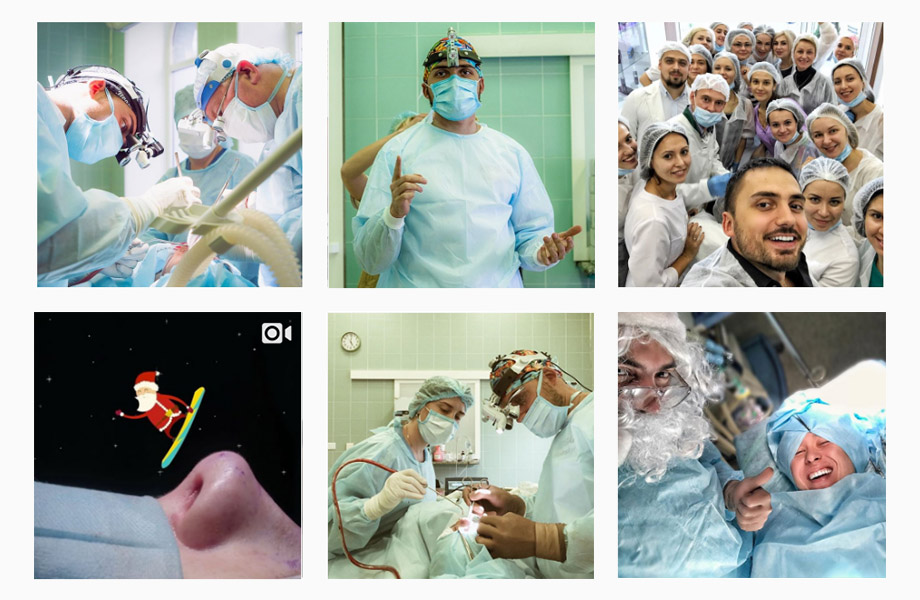
Aesthetic surgeon Edgar Kaminsky is one of the few who managed to gain real popularity not only online, but also offline. He is definitely the most advanced and outrageous (in terms of promoting his own brand) representative of the medical community. Edgar was one of the first to skillfully use such non-traditional platforms for cosmetology as Periscope and Instagram , making online broadcasts and videos of plastic surgeries. But the most important thing is constant live communication, when on the surgeon’s page everyone can discuss the operation, its result, and even win a similar operation worth several thousand dollars in a competition.
What is behind such broadcasts? What is the attitude of patients and doctors towards them? How do they affect people and the work of a doctor? Edgar Kaminsky gave an exclusive interview especially for our resource, in which he answered these and other questions.
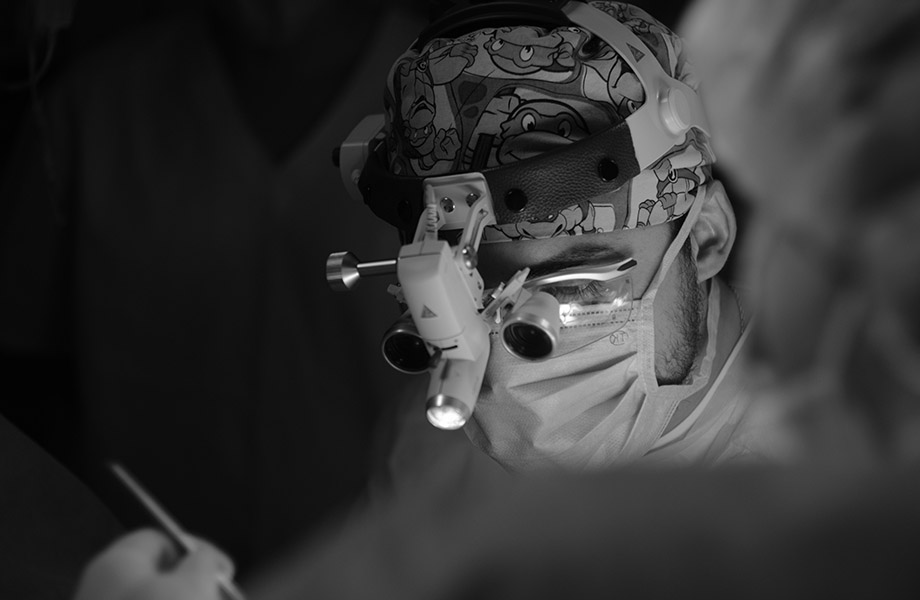
The idea of broadcasting plastic surgery is not new. But, as a rule, it is used in professional circles (at all kinds of congresses, conferences, etc.) for specialists. Social networks are a space for everyone. Why did you come up with the idea to publish these videos there?
The idea of online broadcasts came spontaneously. This was prompted by the appearance of Periscope for the iPhone, which made it possible to broadcast online (it was the first, and now it is already widespread). While thinking about how I could use it, this idea arose. And I started with injection procedures. Most people get information about certain manipulations from the Internet, including “beauty injections.” And their understanding of how this happens is distorted. For example, girls believe that if you prick your lips, you will immediately have large swollen lips, that it hurts, it’s a big needle, blood, loss of consciousness, etc. But when you show this procedure live, without editing anything, then everything falls into place. In addition, if I show a procedure or operation live, then I am sure that everything will go well: there will be no bleeding, the person will not wake up during the operation... That is, people trust me, I am open to patients, I have nothing to hide from colleagues. An open, trusting relationship emerges. And this benefits everyone, including surgeons. The patient has a different attitude towards the operation, he has no idea that surgery is when you cut with a scalpel, the blood rushes to the ceiling, as is sometimes shown in films. Everyone sees that everything is happening completely differently, and this really helps a lot.
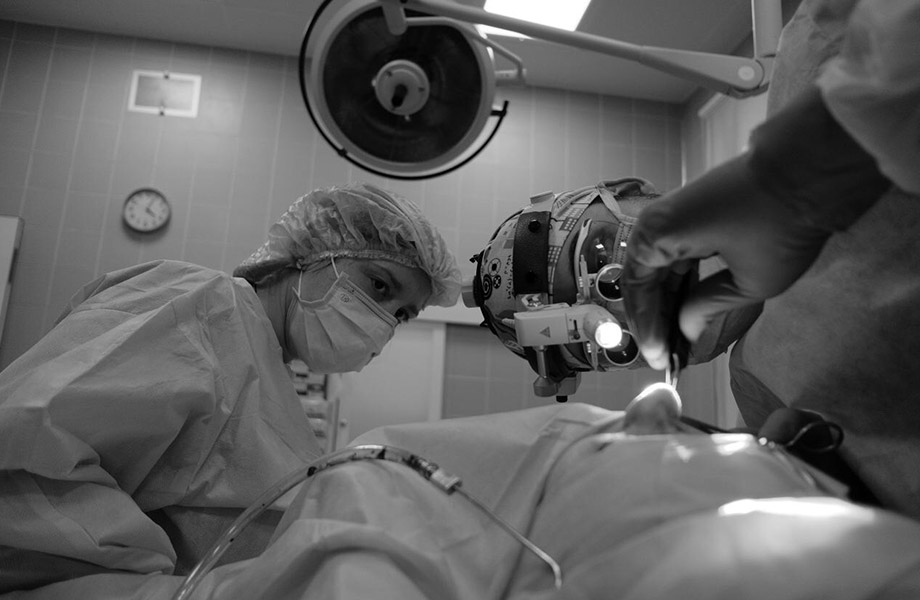
You noted that surgeons benefit from this. How do your fellow doctors feel about such broadcasts on social networks? Were there any negative reviews?
Attitudes are certainly different. Those who do not broadcast operations are not very happy, those who broadcast them approve. My colleagues and I exchange experiences. We look at how and what to do, ask questions, discuss. Forums and conferences have time limits and are held infrequently. And in this format, you can share your experience every day - you don’t have to wait until spring or autumn or next year to go to the conference and find out or discuss it.
Who is more among those discussing your broadcasts – adherents and supporters or, on the contrary, negatively minded people?
I think it depends on the social network. For example, on Facebook , a more intelligent network, they treat this with understanding: if a person doesn’t want to watch, then he doesn’t watch, and at the same time they leave a lot of positive reviews there. But on Periscope the audience was rather divided in half. The people there are very different, there are also schoolchildren, and sometimes obscene language... But gradually all this is filtered out and what remains is a kind of “club of interests”. We do not broadcast operations, for example, in a minibus, on Khreshchatyk or on billboards, we do not impose these views. Therefore, everyone makes their own choice: it’s interesting - it looks.
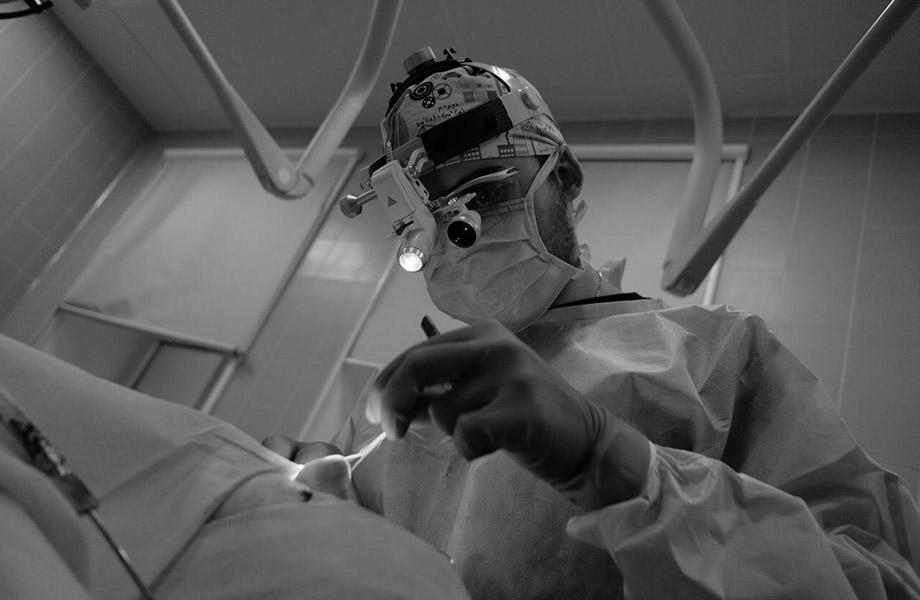
Probably one of the most popular questions (besides admiration for the doctor’s work) under posts in such broadcasts is whether the patient knows about the broadcast. How do patients give permission for publication? I wonder how many of your patients are ready for this type of surgery?
Of course, we sign a documented legal informed consent, which necessarily guarantees confidentiality. And during the procedure you will not see the face, you will not be able to recognize the person. But there are girls who, on the contrary, want to be recognized. They say that their girlfriends, mom, dad will watch them... They ask to show everything from beginning to end: how they will go into anesthesia and come out of it... It is difficult to understand why people do this. This is psychological stress, and a person probably wants to share these experiences with others, with his loved ones.
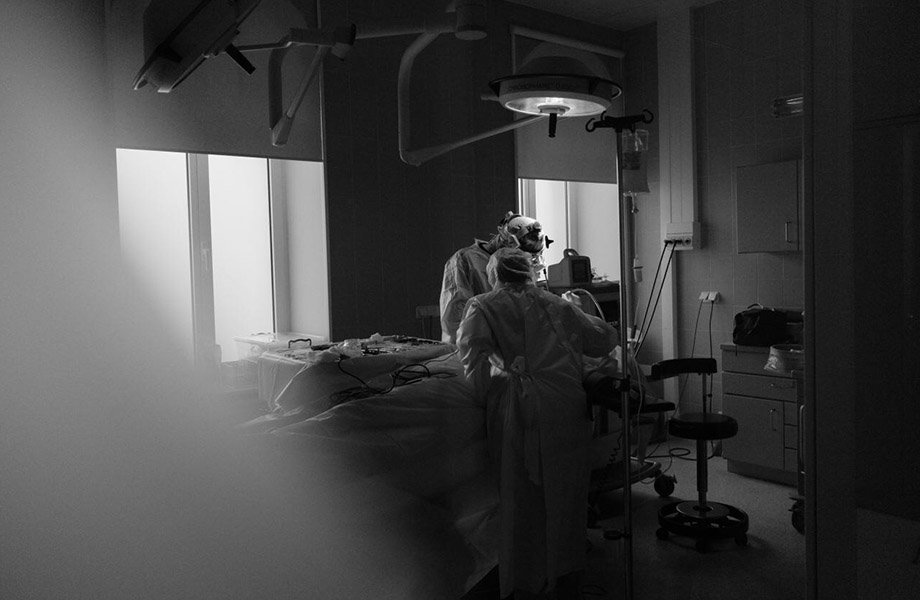
For you, are broadcasts of rhinoplasty or mammoplasty a PR campaign for your business or creating awareness among potential patients, or a modern trend of covering life on social networks?
I think that's all that is said. This is, indeed, a fashionable trend to show and share, patient education, and physician education. I don't try to show them a lot, as it can get boring quickly. While it’s interesting, I’ll broadcast it.
How does this format affect your business? After such broadcasts, do you have more patients?
I think more. The patient sees that the surgeon is not shy, not afraid, he is confident in himself and his abilities, and confidence in him increases. The doctor does not hide, he shows that he is really doing the operation, demonstrates how he does it, and the operation lasts not 5 hours, but an hour or two. This is also a big plus for the doctor.
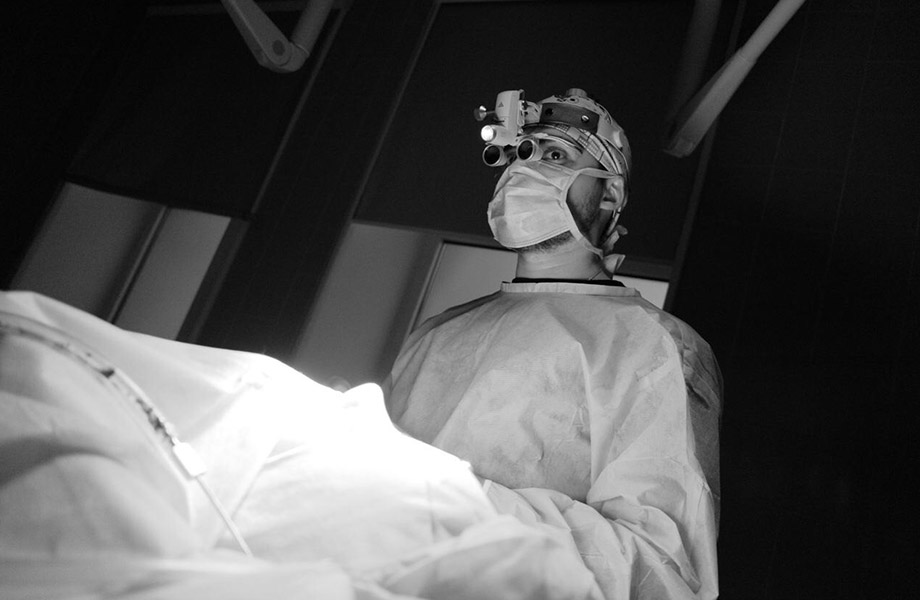
Do you think that the popularization of plastic surgery, for example, breast augmentation, through social networks, entails the appearance of dysmorphophobia, “gloss syndrome” in girls?
We struggle with this, and I constantly say this: I do not instill this beauty! The patient must explain why she needs this operation. That is, if it was a mother who came and had breasts, and she feels uncomfortable after the birth of a child, then why not return what was? If a girl has a downright ugly nose and it bothers her, we don’t do it like in a magazine. It's like styling, like a gym... We slightly improve a person's appearance. Of course, there are patients who truly have dysmorphophobia. This is the same as when a person has money, but lacks taste, and he dresses ugly. It's the same in surgery. A person does not understand what is beautiful and what is not, he lives in his own world. But I don't work with such patients. If I see that the patient has some kind of psychological problem, I refuse. I only take on those who really need help, who have already dealt with a psychological problem, and only have such a light surgical touch left to bring everything to an end.
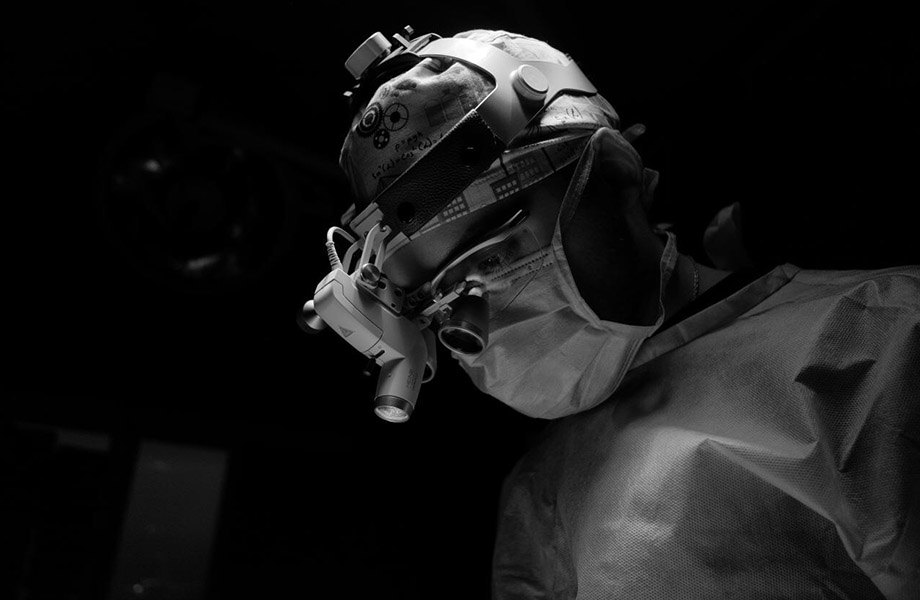
Besides patients with a similar psychological problem, what other patients might you refuse the procedure and for what reasons?
Patients who do not understand what is beautiful and what is not. Patients with whom we do not find contact in the vision of beauty. If one thing is beautiful for a person, and another for me, we are no longer suitable for each other. For a person who is not physically healthy (after all, patients undergo tests before surgery) - all this is very carefully monitored.
The choice of doctor is one of the most important factors in the outcome of a medical intervention. In your booklet I also found the phrase “If you are confident in the doctor, you will be confident in the result.” How to choose a doctor for surgery?
It's complicated. If we are talking about functional operations (for example, orthopedic - joint replacement or neurosurgical), in which the equipment is responsible for a lot, in such cases it is important to know where the doctor works, where he trained, how much he operates... If we are talking about beauty, then this is akin to choosing a fashion house or atelier. After all, every surgeon has his own vision of beauty. There are many expensive boutiques and fashion houses, they are all good and each has its own clientele. At the same time, everyone sees fashion and style in their own way. And if you like this brand, you buy something from this brand. It's the same with surgeons. If you like his work, then “welcome”, go to this doctor. Look at his work, talk to the doctor, understand what kind of world he lives in, find out what is beautiful for him, how he perceives beauty. After all, beautiful breasts can look different for different surgeons.
What are the top 3 pieces of advice you would give to your hypothetical patients before undergoing rhinoplasty or mammoplasty?
1) Think a hundred times whether this operation is necessary, since there will be no turning back. If you just take the nose apart and put it back together, it will no longer remain the same, it will be different.
2) Understand what drives the desire to change yourself. If this is just a desire against the backdrop of emotional distress, parting with a loved one, the desire to please someone, such an operation cannot be done, because one Tuesday you will wake up and not love yourself. We need to come to this.
3) It is important to understand all the risks, all the biggest and most terrible complications that can occur. Perhaps sit down to read on the Internet or watch the same broadcasts. And if you have experienced all this, thought about it and still want to do it, then come to the doctor. And if something scares you, if there are doubts, “maybe not?”, then “no” is better.

Photo in article: Igor Lymar
Read also
- Post-injection reactions: complications and side effects after mesotherapy
- From redness to anaphylaxis: diagnosis and emergency care for allergic reactions
- Results of "Christmas LION" 2025: when fairy tale meets science
- What does hyaluronic acid provide in skin care?
- In focus: a revolutionary solution for the treatment of all types of hyperpigmentation
- Hypoxia of aging: the role of microcirculation in the pathogenesis of age-related skin changes
- In focus: 4D strategy in skin care for hyperpigmentation
- Zero risk: general principles for preventing complications from chemical peels
- Glycation and skin aging
- 4rest (Forest), company
- Rosacea
- Couperosis
- Angioneurosis
- Peloid therapy
- Waxes for depilation
- Fordyce granules
- Bogomolets Olga
- Microneedle therapy