Centella Asiatica for skin health: benefits and use in care products. Part 1.
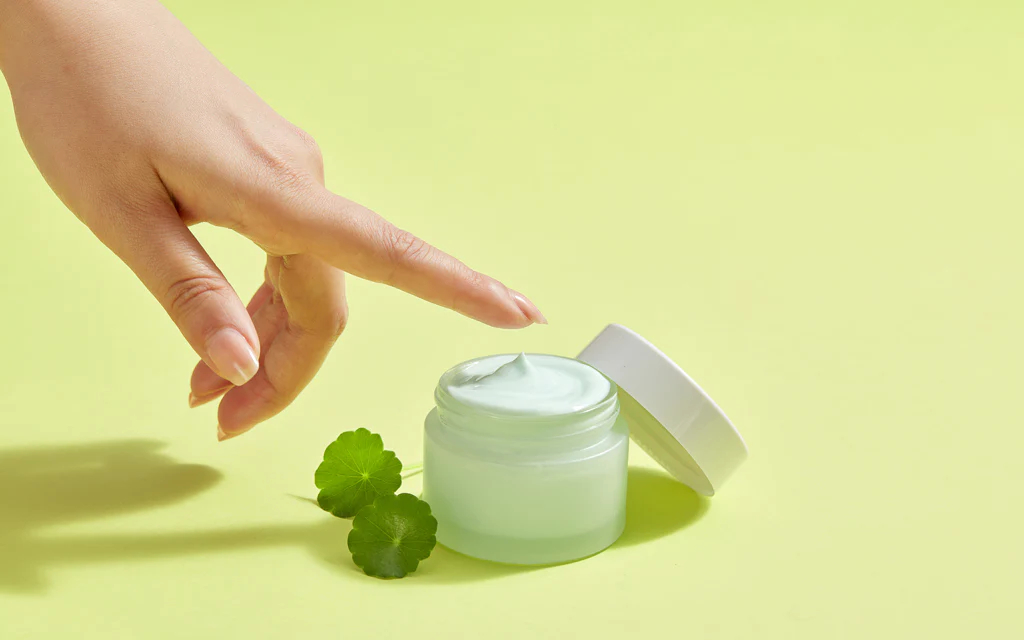
Gotu Kola or Centella Asiatica is a powerful herbal ingredient in skin care products.
History of Centella Asiatica
Centella is the official botanical name for this special plant. In Asia, it has many names: Mandukaparni, Brahmamanduki, Ondelaga, Ekuparni, Timori, Indian pennywort and dozens of others, the most famous of which is Gotu Kola. In India, Africa and China, Centella asiatica has been considered practically a panacea for thousands of years. Traditional Chinese, Malaysian and Indian medicine has used this medicinal plant for over 3,000 years, as mentioned in the oldest manuscripts.
The spiritual benefits of Centella Asiatica
For centuries, ancient civilizations have used medicinal plants to heal the body, mind, and spirit. Among the many herbs used for spiritual purposes is Centella. The plant is widely known as the "herb of longevity" and is used in Ayurvedic and traditional Chinese medical practices. It contains active compounds that can help reduce anxiety and depression and promote relaxation.
How products from Centella Asiatica were introduced into dermatology
One of the most interesting stories about the study of the properties of Centella happened in the 1930s. The French botanist Pierre Boitat loved Madagascar very much. One day he was invited by Dr. Charles Grimes to visit the Manankavala leprosarium, one of the famous Madagascar "attractions" of the time. Bouato was the only European who spoke Malagasy, which helped him gain the trust of a local sage who treated leprosy patients with traditional remedies never used in Western medicine.
Full version of the access article in Ukrainian
Read also
- Post-injection reactions: complications and side effects after mesotherapy
- From redness to anaphylaxis: diagnosis and emergency care for allergic reactions
- Results of "Christmas LION" 2025: when fairy tale meets science
- What does hyaluronic acid provide in skin care?
- In focus: a revolutionary solution for the treatment of all types of hyperpigmentation
- Hypoxia of aging: the role of microcirculation in the pathogenesis of age-related skin changes
- In focus: 4D strategy in skin care for hyperpigmentation
- Zero risk: general principles for preventing complications from chemical peels
- Glycation and skin aging
- 4rest (Forest), company
- Rosacea
- Couperosis
- Angioneurosis
- Peloid therapy
- Waxes for depilation
- Fordyce granules
- Bogomolets Olga
- Microneedle therapy