Adverse reactions to a permanent: how to recognize a true allergy?
Complications after micropigmentation
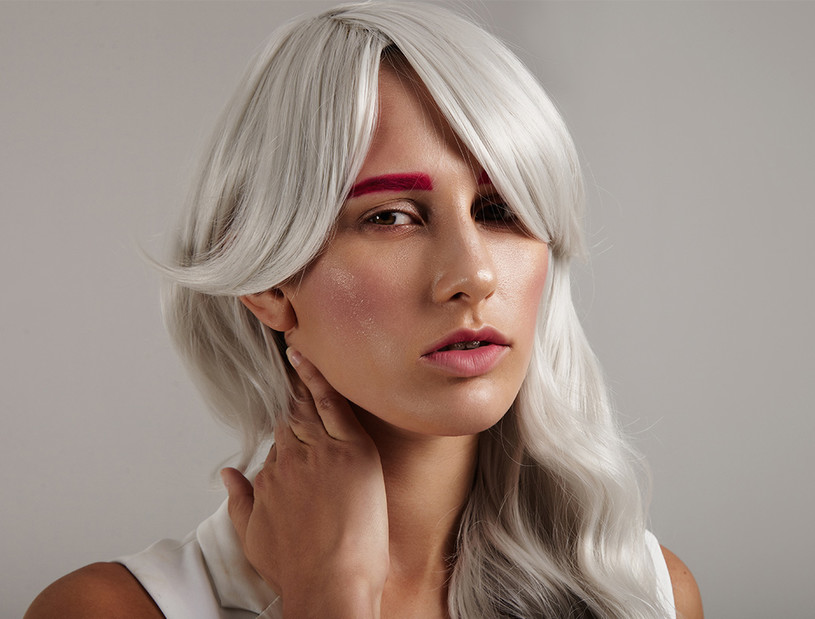
Sometimes an allergic reaction may develop during and after the PM procedure. What does a specialist need to know in order to try to avoid this situation, and if necessary, recognize it and respond correctly?
In some cases, an allergic reaction may develop during and after the permanent makeup procedure. What does a specialist need to know in order to try to avoid this situation, and if necessary, recognize it and respond correctly?
This material is devoted to such an important and complex issue as the risk of complications - an exclusive translation of an article published on the website of the international journal for micropigmentation specialists PMU International. Magazine of Permanent Makeup (original article - link )
Today you performed a long-awaited micropigmentation procedure for your client, and the next day she starts itching and swelling in the area of permanent makeup application? The reason is clear: the client is allergic, despite the popular belief that permanent makeup pigments are absolutely safe and do not causeadverse reactions . Sometimes people become allergic to permanent makeup after a few months of wearing it, as it takes time for our body to identify the allergen and take action.
Since our body's immune system constantly monitors our well-being, it sometimes overreacts, believing that a certain substance is harmful to our body, when in reality it is not. As a result, the immune system produces special substances called IgE antibodies to the allergen. This is followed by the release of certain chemicals, including histamine, into our bloodstream. Histamine, in turn, is the real trigger for known allergy symptoms such as runny nose, watery eyes, and various skin conditions .
When injecting or implanting a foreign substance into our body, whether organic or inorganic, one cannot be sure that no complications will follow over time.
Skin reactions: what to do?
The most common adverse reactions are photoallergic dermatitis and allergic contact dermatitis. In both cases, a red rash appears, inflammation, and sometimes the skin becomes flaky. However, flaking is not always a cause for concern, as the exfoliation of keratinized cells of the outer layer of the skin is a normal and healthy process, when old, dead cells are replaced by new ones and take their place. For example, when permanent lip makeup leads to peeling, most often this process only shows that the damaged skin is healing. This process can take up to several weeks and still not cause alarm, because each body heals in its own way and at a different pace. In many patients, after micropigmentation, the lips remain excessively dry for a long period of time. This normal consequence does not require anything other than the regular application of lip balm.
Different areas of the body also heal at different rates. And if micropigmentation of the lips leads to discomfort that lasts about two weeks, then the eyelids heal longer - about three. Eyebrows heal the fastest and usually do not cause any discomfort to the patient.
Other symptoms of an allergic reaction include cracking, bleeding, swelling or swelling of the skin, and blistering. The area may itch, burn, be tender or painful to the touch. If these symptoms develop after a few months and do not heal, but only get worse, this is a clear sign that the patient has an allergy. In this case, only a doctor can help. It is important that the patient receives certified care, and before choosing a treatment, make the necessary tests and examinations.
Permanent makeup pigments are not the only cause of allergies. Thus, the use of stainless steel needles can also contribute to allergies, as they contain nickel and chromium.
What should be done to prevent and stop allergic reactions?
- Keep the most complete information about the client (name, age, medical history, including allergic history).
- Take a photo before the procedure.
- Record the details of the procedure: date, type of work, list of pigments used, their location.
- In the case of a aggravated allergic history, it is recommended to do a test a day before the procedure (usually it is performed on the skin area behind the ear, at the border of hair growth). In case of a positive reaction, information must be sent to the pigment manufacturer.
- If a local allergic reaction still occurs, you need to refer the client to an appointment with a dermatologist. It is best to have a physician experienced in dealing with this type of allergy, as often standard methods (such as the use of topical steroids) do not work well. In some cases, a doctor may misdiagnose hypertrophic scars and prescribe appropriate treatment. Therefore, it is better if the permanent makeup specialist is in close contact with the doctor.
- You should not try to treat allergic reactions yourself: this is the prerogative of medicine.