The effect of aerocryotherapy on the body: advantages of the method
Indications and contraindications for conducting
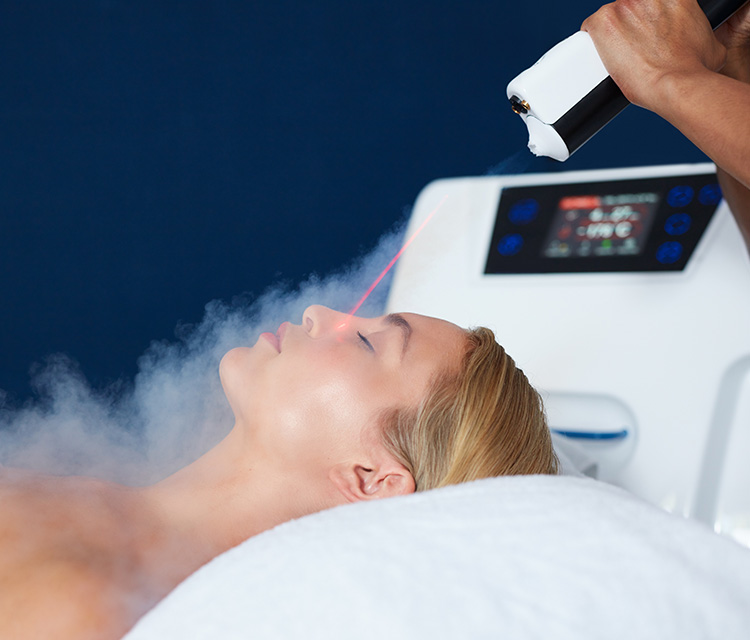
The most obvious positive effects that occur after undergoing the aerocryotherapy procedure include the general training (hardening) effect, which is manifested by an increase in the level of functioning of the body's main regulatory systems in practically healthy people.
Short-term aerocryotherapy exposure leads to a slowdown in oxygen metabolism, processes of oxidative phosphorylation of glucose in integumentary tissues, a decrease in oxygen and nutrient consumption by cells, a slowdown in transmembrane transport of cellular metabolites. In the presence of diseases, the analgesic, anti-inflammatory, vasodilator and myorelaxing effect of cold is manifested.
The effect of cold in the form of ACT leads to pronounced phase changes in the activity of peripheral vessels, which is manifested by spasm of small arteries and arterioles, precapillary sphincters, slowing down the blood flow rate. Therapeutically significant narrowing of the skin vessels is noted under the influence of a gas environment, the temperature of which is from -60°C to -120°C for 2 minutes. This leads to a rapid decrease in the temperature of the skin surface to 0-10°C.
Narrowing of the skin vessels is the first protective phase of the vascular reaction to extreme cooling, aimed at preventing the penetration of the cold factor through the integuments (shell) of the body to the internal tissues ("core") of the body. Then the second protective phase of the vascular reaction develops in the form of pronounced dilation of peripheral arterial vessels, which leads to active arterial hyperemia, the duration of which varies from 1 to 30 minutes, depending on the intensity of cooling. This phase is compensatory, promotes increased heat production, prevents ischemia and impaired tissue nutrition. Visually, the effects of cryotherapy are manifested by a change in the color of the skin after the procedure in the form of diffuse, bright and persistent erythema.
Full version of the access article in Ukrainian
Read also
- Stimulating thermal shock: what results to expect from cryotherapy
- Cryotherapy in dermatocosmetology: practical application
- The concept of cold therapy: history and present day
- Removal of warts: a variety of treatment methods
- Cryotherapy in dermatology: therapeutic effect of cold
- Cold treatment: cryotherapy in cosmetology and dermatology
- Papillomatosis as a state of impaired immune status
- Methods of using cryotherapy
- Cryotherapy in cosmetology