Stimulating thermal shock: what results to expect from cryotherapy
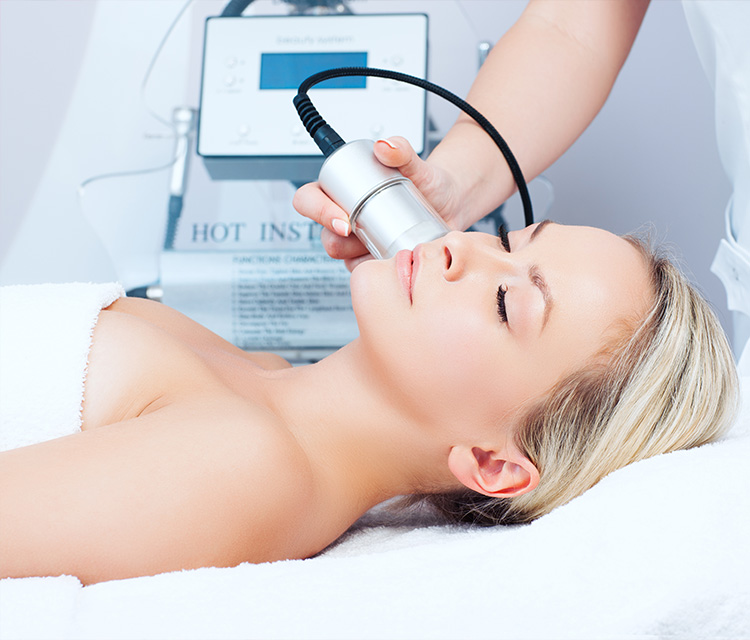
Cryotherapy in dermatology and cosmetology has several aspects of application. We continue a series of articles about devices whose effectiveness in combating age-related changes in the face and body is generally recognized and proven.
Cryotherapy is the therapeutic effect of cold factors on the organs and tissues of the body. With the development of high technologies in the field of cryogenic (low-temperature) technology, convenient access to carriers of low and ultra-low temperatures has become possible. These carriers are liquefied gases with certain temperatures: air (–180°C), oxygen (–183°C), nitrogen (–196°C), helium (–269°C), as well as carbon dioxide in the form of “dry ice” (–79°C). Liquid nitrogen is most often used in cosmetology, since it is non-toxic, non-explosive and chemically inert. Special Dewar vessels are used for storage.
Depending on the method of application, the effect of cryotherapy on the tissue may be different. In some cases, freezing causes destruction and death of tissues, in others only narrowing of blood vessels with subsequent expansion of not only active, but also reserve capillaries, which significantly increases blood flow to the application site. Destruction and death of tissues is observed when exposed to liquid nitrogen for the purpose of deep freezing of the removed neoplasm. In these cases, there should be a longer exposure (more than 30 seconds) with tight fixation of the applicator over the element being removed under slight pressure.
Full version of the access article in Ukrainian
Read also
- Cryotherapy in dermatocosmetology: practical application
- The effect of aerocryotherapy on the body: advantages of the method
- The concept of cold therapy: history and present day
- Removal of warts: a variety of treatment methods
- Cryotherapy in dermatology: therapeutic effect of cold
- Cold treatment: cryotherapy in cosmetology and dermatology
- Papillomatosis as a state of impaired immune status
- Methods of using cryotherapy
- Cryotherapy in cosmetology