Autumn skin restoration: molecular mechanisms of retinol in photodamage correction
Renophase professional products with retinol
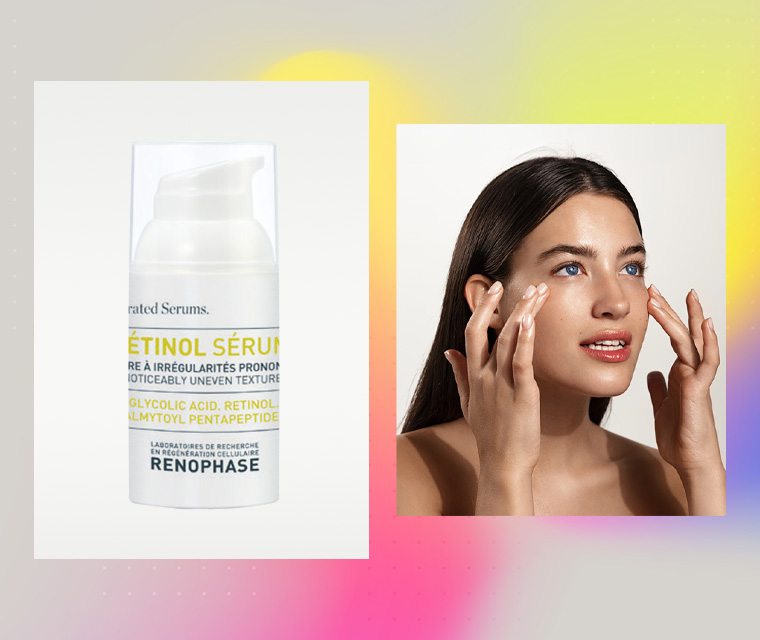
Autumn is a period of active skin renewal after summer stress: ultraviolet, stress, changes in temperature and humidity leave their mark on the epidermis and dermis. It is time to integrate retinol into your care - one of the most effective active ingredients for correcting wrinkles, even skin tone and stimulating collagenogenesis.
Intense insolation during the summer season inevitably leads to the accumulation of structural changes in the skin, known as photoaging. Clinically, this is manifested by deterioration of texture, hyperkeratosis, deepening of wrinkles, as well as the appearance or increase of dyschromia and lentigo. At the molecular level, these processes correlate with chronic oxidative stress and a critical increase in the activity of matrix metalloproteinases (MMPs), in particular MMP-1 (collagenase). These enzymes cause the degradation of dermal collagen and elastin, forming the morphological basis for gravitational and structural ptosis.
Retinol (vitamin A), when transformed in the skin to biologically active retinoic acid, is able to modulate gene expression. Unlike most topical agents, retinoic acid acts through nuclear receptors (RAR and RXR), providing deep cellular restructuring.
Full version of the access article in Ukrainian
Read also
- Alternatives to retinol
- New retinoid: hydroxypinacolone retinoate
- Skin cancer: causes and consequences of exposure to photodamage
- With and without retinol: new cosmetic ingredients
- Retinoids, what you need to know?
- Treatment of photodamage to the skin and selection of sun protection products
- Retinol in cosmetology