A systemic view of acne: the role of lipid profile in sebaceous gland activation
Disturbances of fat metabolism and the pathogenesis of acne
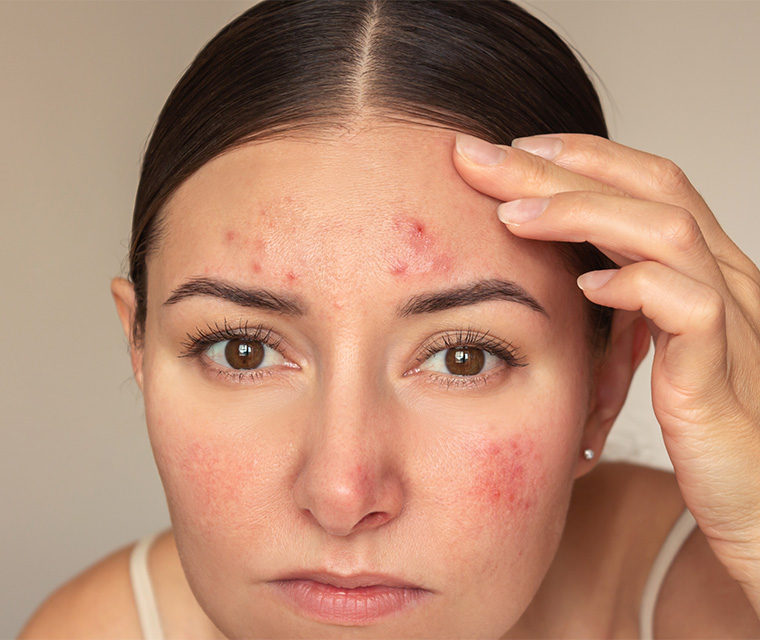
The skin plays an important role in all types of metabolic processes that occur in the body. A significant part of the biochemical processes that occur in the skin are no different from those that occur in other organs and tissues of the human body, but some of the processes are specific - and one of these processes is the formation of sebum.
Endocrine function of the skin
The skin is closely related to the endocrine system of the body. Throughout our lives, from the prenatal period to old age, the physiological balance of all processes in the skin and its appendages directly depends on the functioning of the endocrine system, which, in turn, is associated with the work of the central and autonomic nervous systems. The slightest disturbances in this balance lead to manifestations on the skin.
The skin itself is a large endocrine organ, it actively participates in the metabolism of steroid sex hormones, in particular in the extraglandular formation of androgens from steroid precursors. The starting compound for the biosynthesis of androgens, as well as all steroid hormones, is cholesterol (cholesterol).
At the same time, human skin is a complex of androgen-sensitive structures (sebaceous and sweat glands, hair follicles). Androgen receptors, which are located on the membranes of sebaceous gland cells, make the sebaceous glands sensitive to hormonal fluctuations in the body. Increased androgen levels are the first pathogenetic link in the development of acne. The first clinical signs of acne usually appear during puberty, against the background of hyperactivity of the gonads.
Full version of the access article in Ukrainian
Read also
- In focus: combination gel for the treatment of mild to moderate acne
- Peeling in children and adolescents: all the pros and cons
- Topical and systemic acne therapy: use of antibacterial drugs
- Antibiotics: features of use in patients with acne
- Possibilities in acne therapy: a variety of treatment methods
- Acne and scar treatment: choosing a peel
- Skin first aid: what you should know about EFACLAR DUO+M patches
- Post-acne correction methods: redermalization
- EFACLAR DUO+M patches: targeted support for blemished skin
- Acne