How to establish a diet and sleep schedule in wartime?
Let's hold on!
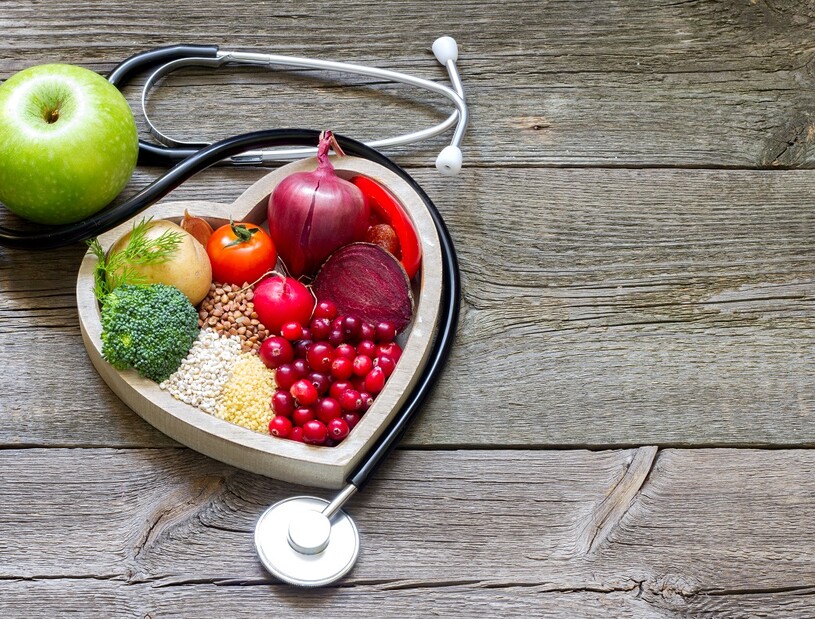
On February 24, we all woke up in a new reality, in which we have continued to live for eight days now. War is not a world in which you spend a lot of time taking care of your health, but you definitely need to try. How to improve your diet and sleep patterns during this difficult period?
Sleep, drinking regime and diet are the three pillars on which our good health rests, even during periods of constant stress. We’ll tell you together with an expert how to eat a balanced diet in wartime, how to replace scarce foods, what drinks to pay attention to, and how to establish a sleep pattern even to the sound of a siren.
Victoria Koretskaya, therapist, sports medicine doctor
Diet
Let's start with the basics. There are three main sources of nutrients: proteins, fats and carbohydrates.
Proteins are a structural component of our body. Proteins consist of amino acids, through which our cells are built. Their main task is structural. The best sources of protein: eggs, meat and dairy products, fish, seafood.
Do not forget that proteins are also immunoglobulins, which are an important part of the immune system. Therefore, their consumption is very necessary during periods of constant stress. If, in wartime conditions, you do not have the opportunity to find all the necessary and usual sources of protein, choose from those available. When there are no fresh meats and fish on store shelves, pay attention to cheeses, cheeses, eggs, chips, soy meats, canned meats and fish. The consumption rate is approximately 1g per 1kg of body weight.
Carbohydrates are the main source of energy for our body, where there is a certain supply of carbohydrates contained in glycogen, which is located in the muscles and liver. It is important to replenish this supply regularly so that it does not deplete in order to prevent low blood sugar levels - hypoglycemia. This is a dangerous health condition that can be accompanied by tremors, increased sweating, rapid heartbeat, and severe weakness.
Complex carbohydrates provide long-lasting satiety. These include whole grain bread, rice, bulgur, oatmeal, buckwheat, potatoes, amaranth (for gluten intolerance). Considering that there are now huge queues in front of stores for bread, it can be replaced with any cereal. Even if you don't have electricity, you can soak the porridge in water overnight and by morning it will be ready to eat.
Simple carbohydrates include vegetables and fruits - they supply the body with important microelements and vitamins, useful fiber for the efficient functioning of the gastrointestinal tract. The norm for vegetable consumption per day is about 400 g. However, due to limited access to fresh vegetables, frozen ready-made sets of vegetables or, as a last resort, canned food, which is available in almost every home, would be an excellent alternative. If possible, add fruits and berries to your diet. These may be the most familiar seasonal fruits for us, which can still be found in stores, for example, apples or frozen berries.
Common carbohydrates also include chocolate, baked goods, and dried fruits. They are suitable for a snack if there is no opportunity for a full meal. However, remember that the feeling of fullness in this case will not last long and it is often simple carbohydrates that we eat away stress. Therefore, remember to eat nutritious, balanced meals to prevent such conditions.
Fats give us more energy. The most important fats for us are vegetable fats (various types of oils, avocados, nuts). They increase the level of high-density lipoproteins (so-called good cholesterol), which prevents the development of cardiovascular diseases. Pay special attention to nuts now - they will become a healthy high-calorie snack and are convenient to take with you to a bomb shelter. For added satiety, complement different dishes with oils. Sources of animal fats include fatty meats and fish, if you have them available. If you have no contraindications, you can safely use them during times of stress.
Each meal should contain all of these nutrient sources. In this case, your diet remains balanced and varied. Choose nuts and dried fruits as a snack. They will be an excellent option even during periods of severe stress, when you don’t have a bite in your throat and don’t have the time/opportunity to cook food.
Drinking regime
The rate of water consumption every day is 30 ml per 1 kg of weight. And if previously it was believed that this only applied to water, now this norm includes all liquid drunk (even those found in food). An exception to this list is coffee, which is a diuretic.
Since the diet is now partially disrupted, to restore the loss of electrolytes, it is recommended to drink compotes, compotes, fruit drinks from berries and fruits. Take out your summer supplies - preserves, jams, dry goods - to brew warm drinks. Of course, don’t forget about hot tea, which will help keep you warm in cold storage.
Sleeping mode
Daylight regulates the biorhythms of our body, so during the day we are alert (while the sun is shining), and at night we sleep. Since during wartime we spend part of the day in dark storage facilities, our body does not receive a light signal.
For good health, it is recommended to try to maintain a sleep-wake schedule as much as possible. For example, stay in shelters at night and try to fall asleep again after the siren, and perform the necessary tasks during the day.
Read also
- Article Чоловічий догляд: дійсна потреба чи маркетинговий хід? is available in Ukrainian,
- Eyeshadow pencil: top 7 makeup products
- Cocktail makeup: features of creation
- Mocha dyeing color: let's take a closer look at the shade
- February 14: 10 romantic hairstyle ideas for clients
- Luxurious Classics: Top 15 Red Lipstick Makeup Ideas
- Top 3 safest ways to get out of dark color
- Paralympian Sergei Emelyanov and Solomiya Vitvitskaya hold a charity auction
- The world continues to support Ukraine!
- Natasha Denona
- Emulsion
- Guido Palau
- Hair texturing
- MAS
- Svetlana Belousova
- Josh Lamonaka
- Peeling
- Kevin Ecoan