Tattoo healing: why do crusts appear?
About proper skin care during the regeneration period after PM
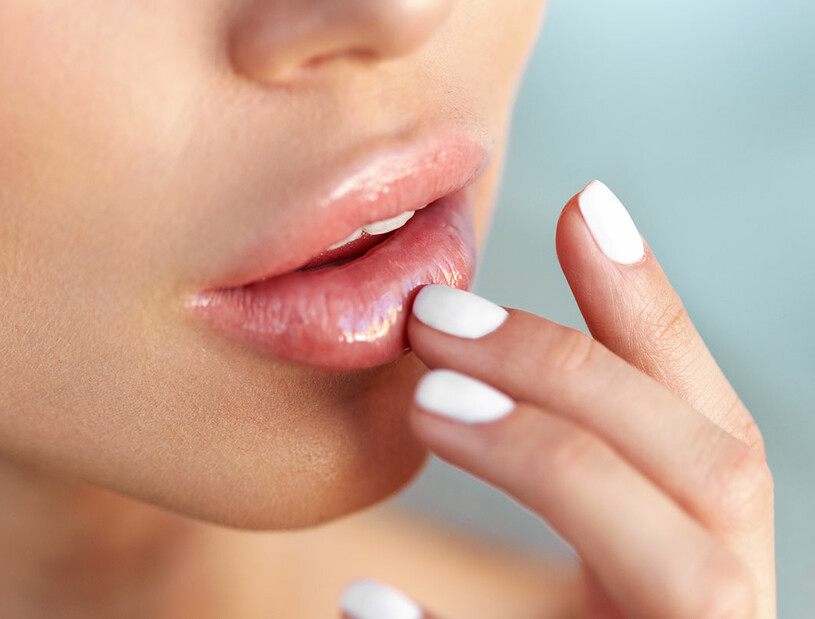
The formation of a crust on the eyebrows, lips and eyelids after tattooing is a natural normal reaction of the skin to microtraumas received in the process of applying the pigment. But how long can they last and how will they go?
Whatever technique the PM master uses, he creates microscopic punctures through which the pigment (dye) is introduced into the upper layer of the epidermis. The needle damages the skin, superficial blood vessels, connective tissues. This causes the skin to react with natural protective processes and the site of damage “responds” with ichor, or lymph, which can be secreted from these punctures, mix with the injected pigment and, drying up, form a hardened layer, clogging open wounds. The process of formation of a protective layer corresponds to the stages of the correct healing process. This is how the body promotes skin regeneration and provides reliable protection for damaged areas.
But what this protective layer will be like - a film, a crust or a scab will form - depends on the skill of the specialist conducting the procedure, and on how correct the care of the PM zone will be. With proper skin care, crusting can be minimal. But if you violate the rules of care, hard, hard scabs can form on the pigmented area, which, when descending, will “carry away” the pigment with them. This will lead to an uneven distribution of pigment, the appearance of fuzzy contours and gaps.
Stages of skin healing after permanent makeup
In an average person, the stages of healing and skin restoration are as follows:
On the first day, there is a slight swelling, redness, in some cases, the secretion of the ichor continues. When consulting a client, the master should warn that if after 2-3 days the PM zone continues to get wet, the client needs to consult with the master and determine the cause of this problem.
On day 2-3, the severity of edema and redness decreases and a protective layer begins to form. If by this time even peeling has not appeared, the reason may be either an increased density of the epidermis, or a too superficial laying of the pigment.
Pain and swelling disappear in 4-5 days. The protective layer (crusts) continue to cover the damaged area of the skin and prevent the penetration of infection. For each area of the face, for clients of different ages, the period of crusting will be different. In addition, it is influenced by the metabolic rate, the state of immunity, hormonal levels, etc.
Approximately, the crusts after tattooing of blood disappear on 3-5 days, after tattooing of the eyelids - on 4-5 days, it takes 7-10 days to recover from tattooing of the lips. It should be remembered that the reaction of each organism is individual, and, for example, with a slow metabolism, the convergence of crusts from the eyebrows can last up to 10 days after the procedure.
Complete regeneration of the skin occurs after about 3 weeks. The pigment will gradually appear and by this time it will become more pronounced.
Why you can not remove the crusts yourself
The protective layer should come off without intervention, in a natural way. You cannot remove crusts or peeling on your own. Also, you can not wet, steam out the tattoo area, so as not to disrupt the natural healing process.
The main reasons why experts advise their clients not to “help” crusts go:
- high probability of infections getting through open wounds left after mechanical removal of hardened particles to the damaged area of the skin; if the crust comes off by accident, the damaged area must be treated with an antiseptic - this will help prevent the risk of infection of the open wound;
- the healing process will continue, since the ichor will again stand out from the unhealed wounds and the places of mechanical removal of the crusts will again be covered with a protective layer;
- repeated traumatization of the skin can lead to the formation of a harder scab, which, in turn, will lead to the appearance of a scar;
- the pattern after healing will be uneven, since when the damaged area is restored again, the pigment will also be removed from the epidermis along with the lymph. The hue will brighten excessively, white spots will appear.
Proper care: what to do with the skin
So, the master conveyed to the client the information that the crusts after tattooing should last a certain period and fall off on their own. What is needed for their natural healing?
In order to prevent disruption of the skin regeneration process, it is recommended to avoid sudden temperature changes in the cold and hot seasons. You should also limit active sports, visits to the sauna, pool, bath. In order not to injure the protective layer, it is important not to scratch the treated area during itching.
In addition, within 7-10 days, you must strictly adhere to the following scheme for carrying out care procedures:
- wash your face with cool water in the morning and evening, use antibacterial soap. It is advisable to let the face dry on its own, in extreme cases, gently blot the PM area with a paper towel.
- after the skin has dried - treat the skin with Chlorhexedine
- to nourish and moisturize the skin, it is better to use not creams, but ointments (for example, Bepanten). The first 4 days the ointment must be applied every 2-3 hours. After this period, the number of treatments can be reduced to 3-4 per day. If excessive dryness occurs, you can moisten the area with cosmetic petroleum jelly and leave the product on the skin for 30 minutes.
It is forbidden to wipe the area with peroxide and solutions containing alcohol, as well as preparations that the PM master did not prescribe. It is advisable not to use decorative cosmetics until the final descent of the crusts and not to be exposed to direct sunlight.