Skin Functions: What a Permanent Makeup Master Needs to Know
Note to permanent makeup masters
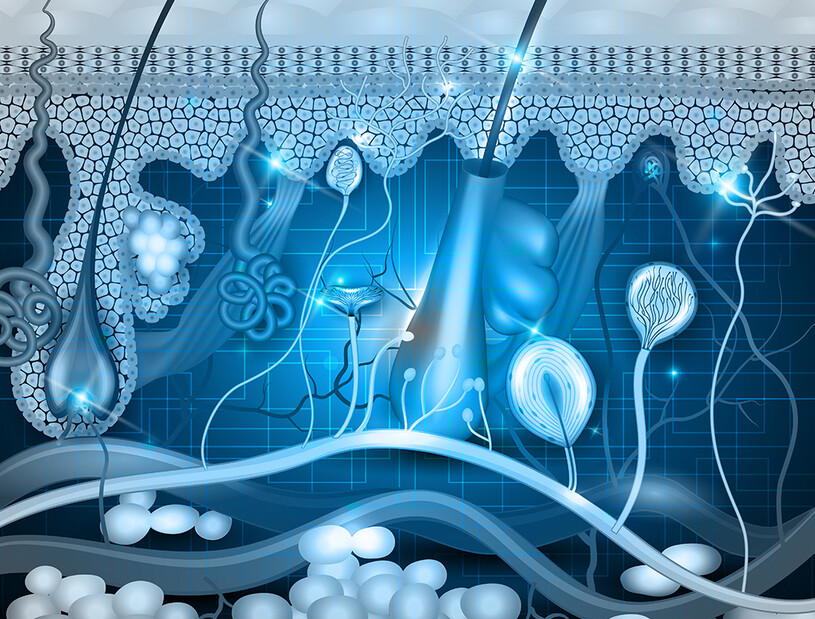
Depending on the condition of the skin in the areas intended for micropigmentation, the procedure is carried out by one of the existing methods.
Depending on the state of the epidermis and dermis in the areas intended for micropigmentation, the procedure is carried out by one of the existing methods, while the introduced pigment is perceived differently. Special skin areas such as eyelids, eyelashes, eyebrows, lips, breast areola, hairy areas where the procedure is performed, as well as skin areas with scars, burns or hypopigmentation have some structural features. These features must be taken into account when choosing colors, techniques and working methods used in each of these areas, which will be described below.
Skin functions
The main functions of the skin are: protective, secretory, receptor, thermoregulatory and metabolic functions.
Protective function
The main function of the epidermis is to protect the body from infections and the penetration of microorganisms, as well as from any mechanical, chemical and thermal effects. In addition, the skin acts as a selective barrier, allowing only certain substances to enter the body, such as oxygen, which diffuses into the skin.
secretory function
Sweat and sebaceous glands secrete sweat and sebum, forming a protective layer that moisturizes and preserves the skin. With the help of sweat, slag substances are also removed from the body.
Receptor function
The skin is the organ of touch. Nerve endings concentrated mainly in the dermis register information about heat, cold, pressure, and other sensations, including pain.
Thermoregulating function
The skin can act as a thermostat, regulating body temperature. Thanks to the fine tuning of the work of blood vessels and sweat glands, the internal temperature of the body under normal conditions is maintained at 37 ° C.
exchange function
The skin takes part in the synthesis of vitamin D and in lipid metabolism.
Healing and restoration of the skin with micropigmentation
Understanding the skin healing process helps the therapist better explain to their clients what happens in their skin after a micropigmentation procedure and how best to care for the stained area. It also helps to understand how color is stabilized in the skin and how the process affects the final shade seen through the skin.
The micropigmentation procedure is associated with skin injury. The skin has a special property, which consists in the ability of self-healing. The complex process of wound healing depends on the depth of the wound and occurs differently if it is a superficial wound that affects only the epidermis, or a deeper injury that affects both the epidermis and the dermis. When an injury occurs, our body reacts to it and the healing process begins. If the wound affected only the epidermis, healing occurs in one to two days.
When an injury is inflicted as a result of a permanent makeup procedure, a slightly deeper wound is obtained that affects the epidermis and the most superficial layers of the dermis, so healing takes a little longer (3-5 days in experience).