
Peeling
*The article was translated into English using automatic translation. The editors are working on its improvement.
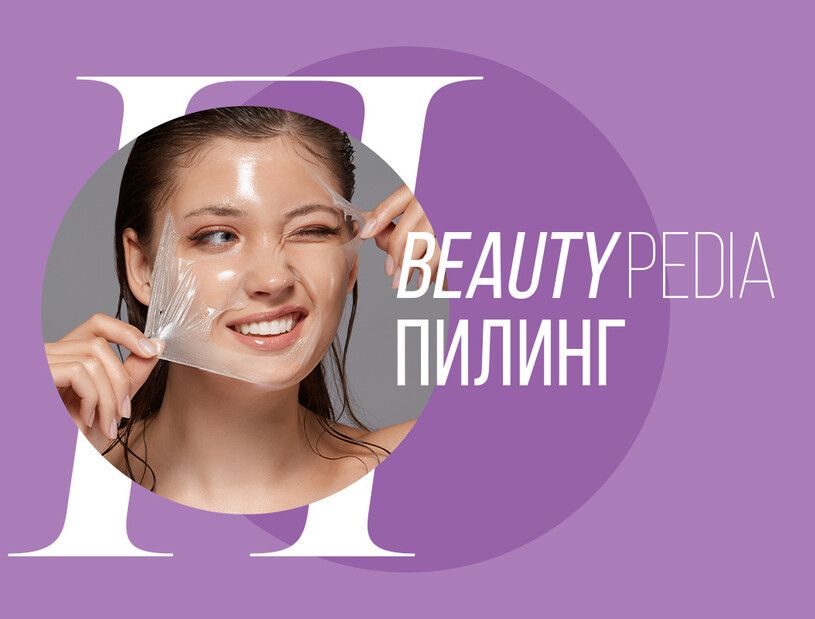
Peeling , or exfoliation (English peel - “clean”, “remove the husk”) in cosmetology - removal, exfoliation of the upper stratum corneum of the skin .
The procedure affects the layers of the epidermis, removing the upper layer of the dermis. This is a skin exfoliation technique that speeds up skin regeneration. Peeling eliminates blackheads, improves complexion and improves skin health.
With all the positive aspects, the peeling procedure also has its disadvantages. Firstly, the procedure causes some types of adverse reactions, such as redness of the skin, the formation of bleeding wounds, and swelling of the face. The recovery period lasts several days, during which it is not recommended to use cosmetics, and the skin requires additional and more careful care.
Each type of peeling has its own specific contraindications, but the exfoliation procedure also has general contraindications. Thus, peeling is contraindicated during pregnancy, as well as during breastfeeding. Obviously, the procedure cannot be performed in case of diseases and problems with the skin (the presence of burns, ulcers, inflammation, open wounds, etc.), as well as in case of increased body temperature, viral diseases and poor health. Contraindications also include malignant diseases, chronic skin diseases, problems with blood clotting and some others. In each specific case, it is better to consult a specialist.