
Alopecia
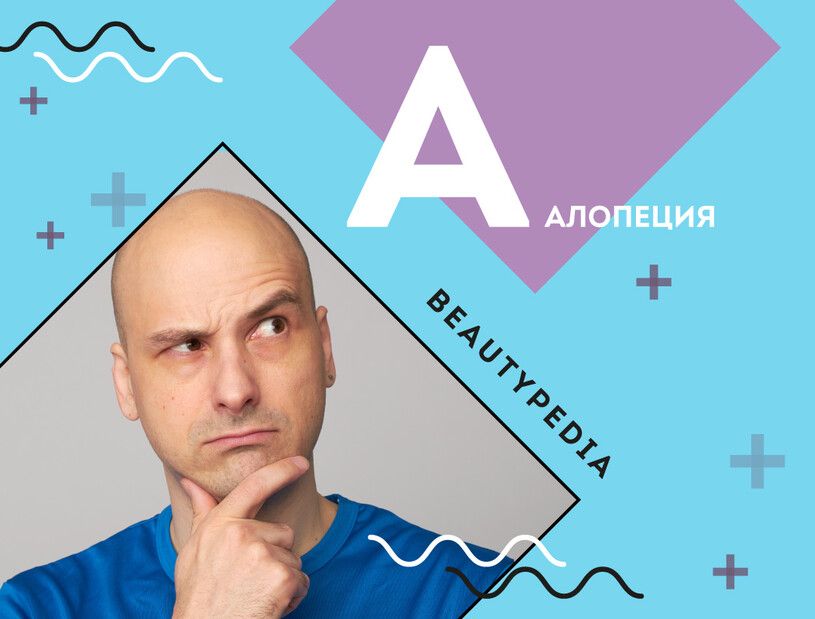
*The article was translated into English using automatic translation. The editors are working on its improvement.
Alopecia (literally “baldness” from ancient Greek, via Latin alopecia “baldness, baldness”) is pathological hair loss, leading to its partial or complete disappearance in certain areas of the head or torso. The most common types of alopecia include androgenetic, diffuse or symptomatic (effluviums), focal or nested (areata), scarring (scarring)
Alopecia is a multifactorial disease characterized by impaired hair growth. If we consider total alopecia, then the main cause of hair loss in this case is a genetic predisposition, that is, the “friend or foe” control factor in the immune system is impaired, as a result of which self-destruction and rejection of hair as a foreign body begins. Thus, complete hair loss occurs within a few months. Each type of this disease has its own causes and consequences.
There is no specific risk zone or ways to prevent the disease; everyone can be susceptible to it - both adults and children, and the reasons can be very different - from stress, taking various medications to pregnancy.