Illumination painting technique: essence and characteristics
Improvement
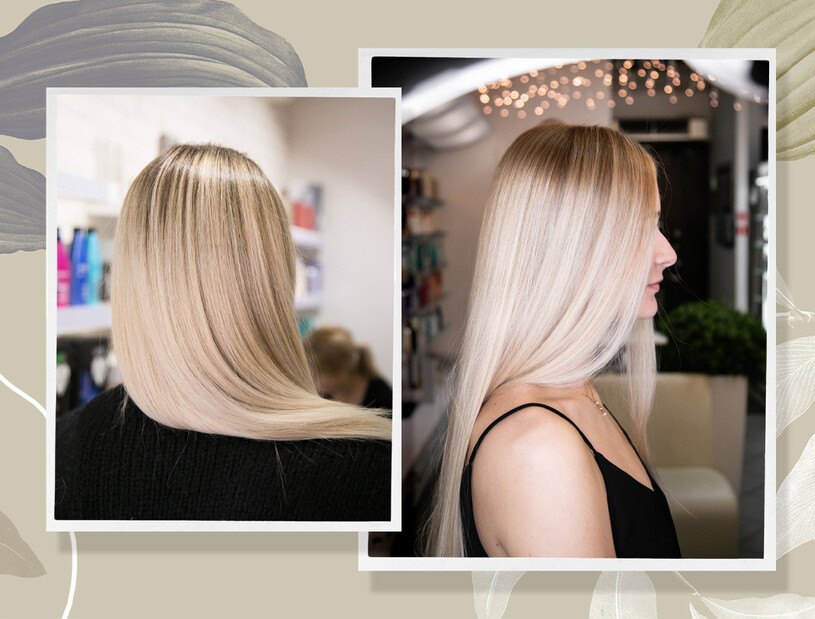
Brand technologists are constantly improving formulas and approaches to creating coloring techniques. Color stretching has been a top customer request for many years, but hairdressers have always wanted to personalize each technique. This is how illumination came from balayage.
At the end of 2020, the professional brand Wella Professionals introduced a new salon service for the premium coloring category, which provides the effect of a smooth transition between light and dark tones and a bright, natural, radiant result. It was this coloring that later became known as illumination.
The network has already called illumination an updated version of balayage, but what distinguishes the new product from its predecessor is that the strands are lightened along the perimeter, and instead of lightening along the entire length, the natural color in the crown area is preserved. This is a multi-tonal coloring that is easy to maintain while maintaining your natural color at the roots.
This service is popular not only among clients, but also among artists, since it allows you to create super unique coloring for clients. What craftsmen love most is not working as a carbon copy.
Color results can be soft and natural, or in the form of bold, wide strands.
The illumination technique, which is based on classic balayage, was developed by Wella Professionals experts together with the global brand ambassador Romeu Felipe.
With smooth and sophisticated color transitions, she goes beyond the classic balayage technique and transforms it. Illumination goes one step further, offering the most radiant, natural-looking balayage with smooth transitions and clean, radiant color results.
Illumination also has a small branch - Brazilian illumination. This is a brighter coloring variation for those clients who prefer pure and contrasting colors, since Brazilian illumination provides bright accents of light on the hair.
Contrasting light shades frame the face and accentuate the length of the hair from darker roots to lightened ends.
When creating coloring, the technique uses lightening using foil for precision application and toning for smooth transitions.