Eyelash loss: how a lash maker can protect himself from unwanted consequences
Word from the expert
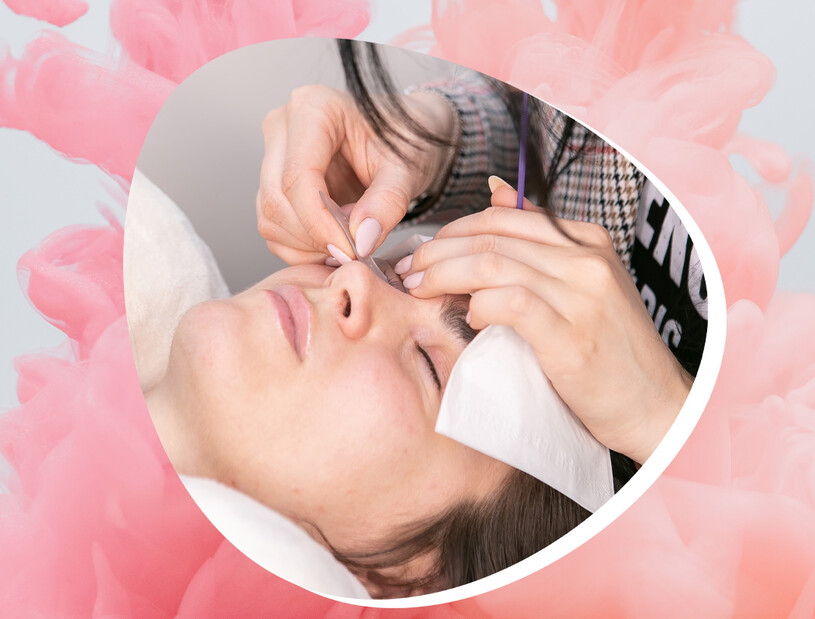
Lamimaker Yulia Khodakovskaya shares her personal experience and explains what may be causing eyelash loss in clients, as well as how a master can protect himself from unwanted consequences when performing procedures. What conclusions Yulia advises colleagues to take note of – read the material.
Yulia Khodakovskaya , eyelash lamination master with more than six years of experience, speaker of marathons for eyelash makers, multiple winner at international championships in the categories “Eyelash Lamination”, “Age Lamination of Eyelashes”, “Teenage Lamination of Eyelashes” and “Creative (Color) Lamination of Eyelashes ", author and presenter of the unique project "#your_auditor" on Instagram, international accredited trainer IAJLB, teacher of level IV KSK, founder and director of the YK Beauty Home studio and the YK Beauty Shop online store
You know, any experience comes to us exclusively from the situations that happen to us, and what I’m going to tell you now is no exception. This story happened in my daily practice.
From personal experience
In February 2021, a new client signed up with me for the first time for eyelash lamination; she had never done it before. The result was excellent, the girl left very satisfied. Two months have passed, it’s time to sign up for the procedure, but she is silent. I decided to ask again and in response I heard a killer phrase: “After lamination, my eyelashes began to fall out sharply!”
I am shocked! How? Why? What's happened? I decided to look into this situation, no matter what the cost, since I clearly knew that the procedure could not in any way affect the process of eyelash loss.
What happened?
During my information excavations, it turned out that the client had a coronavirus infection 1.5-2 months before the procedure, and then a light bulb went on in my head! The fact is that coronavirus leads to severe intoxication of the body, and loss of hair, eyelashes and eyebrows is inevitable approximately three months after the illness. In this case, the person will not go bald - all processes will be restored within a few months.
Scientists from the Japanese National Center for Global Health and Medicine found that about 1/4 of coronavirus survivors suffer from hair loss. Most often, this effect is observed in those who have been ill with a high fever (loss of up to 50% of hair). After all, the first thing that reacts to stress and toxins are rapidly dividing cells, which are the tissues of the hair follicles.
This cannot be counteracted - the virus must be treated, and hair growth will then be restored. However, the process can be speeded up a little with special care. For healthy hair and its active growth, it is necessary to maintain optimal levels of iron, folic acid and vitamin B12 in the body.
Further actions
Even if the client has recently recovered from coronavirus, eyelash lamination can be performed - there are no acute contraindications to this procedure.
The composition in this case is selected based on the condition of the eyelashes. If possible, I recommend using slower formulations or controlling the exposure time of the usual formulations, starting from the second minute after application. Since eyelashes are thinner after an illness, I also advise you to lay them out more carefully.
Regardless of the coronavirus, clients should introduce additional beauty products for eyelashes into their home care, I especially recommend care from TM Amica Lashes. It gives amazing results - I tried it on myself and recommend it to my clients. Moreover, it has an affordable price and very economical consumption.
Note to colleagues
Based on the foregoing, it is worth drawing several important conclusions.
- You need to very carefully collect anamnesis about your clients before procedures.
- It is necessary to sign a client agreement, in which the client confirms that he has provided the master with all the necessary information about his health condition.
- Work more carefully with clients who have recovered from coronavirus infection, since the reaction to certain drugs can be unpredictable both during and after the procedure.
- Explain to clients about all possible consequences “on your fingers.”
I really hope that this information will help you avoid unpleasant situations and increase your level of expertise in the eyes of your colleagues and clients.