Composition of decorative cosmetics: truth and myths about the ingredients
It is important to know
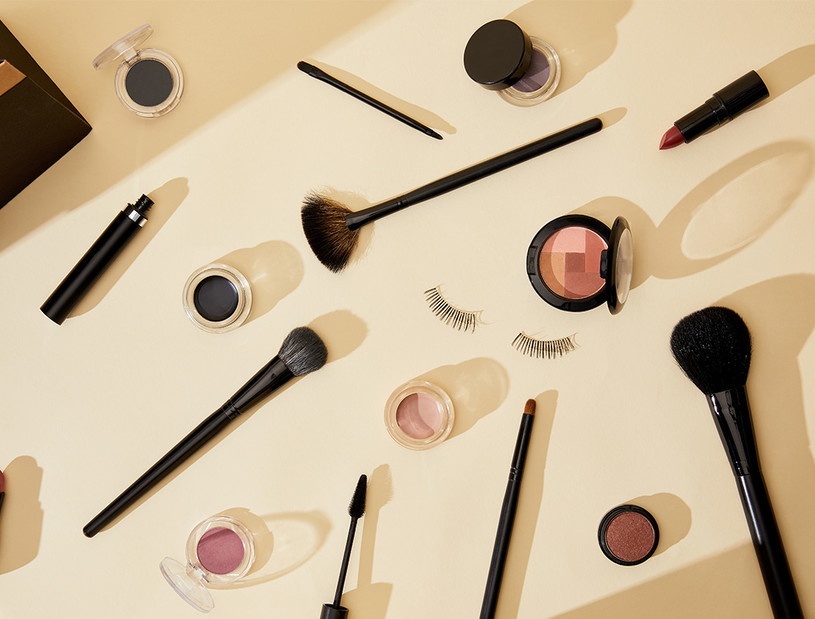
What is included in decorative cosmetics and which components should be avoided? Let's understand the material.
Decorative cosmetics contain many components that can improve the condition of the skin, provide a neutral effect, and even harm it. Let’s take a closer look at various substances in order to know exactly which ones should be avoided and which ones should not be feared at all, despite the general panic.
Mineral and paraffin oil (mineral oil, paraffinum liquidum)
Mineral oils are hydrocarbons isolated from petroleum. In the wake of the popularity of natural cosmetics, all petroleum products were blacklisted. Opponents of synthetic components in cosmetics argue that mineral oil is pure harm to the skin, so it should be avoided at all costs both in care products and in decorative cosmetics. But unlike technical mineral oil, cosmetic oil undergoes multi-stage processing and purification. Thanks to this, there are no impurities left in it that could harm the skin - this fact has been confirmed by respected dermatologists and cosmetologists.
Mineral oil is added to foundations to create a pleasant texture and also to retain moisture - the component creates a protective film on the surface of the skin that prevents moisture from evaporating. Such oils do not clog pores, do not penetrate into the deep layers of the skin and do not deprive it of the ability to “breathe”, as many people think.
But still, cosmetologists recommend avoiding mineral oil if the girl has problematic skin that is prone to comedones. At the same time, for beauties with dry skin, beauty products with mineral oil will come in handy - they will hide the signs of dryness and improve the condition of the skin.
Silicones (dimethiconol, methicone, trimethicone, cyclomethicone, dimethicone)
What should not be in decorative cosmetics? Most of the first components will name well-known silicones. Over the past years, debates over the harms and benefits of these substances have not subsided, and cosmetic brands continue to use them in beauty products with liquid or cream texture: primers, foundations, lipsticks and even mascara .
For example, in primers, silicones are necessary to smooth out the skin texture and create a Photoshop effect, and in foundations - to create a light and silky finish. It is thanks to silicones that the products adhere well to the skin, are easily distributed and behave well throughout the day, providing long-lasting results.
Contrary to popular belief, silicones do not clog pores or cause breakouts if their amount in the product is within normal limits. The substance creates a film on the surface, like mineral oil, making the skin look beautiful and smooth. But as soon as you wash off the makeup, the skin will again look the same as before applying it: products with silicones do not in any way affect the processes that occur at the cellular level and do not change the condition of the skin for better or worse.
Those who should be careful with silicones and, in general, with an overabundance of decorative cosmetics on the skin are girls with acne , especially during periods of exacerbation.
Parabens (methylparaben E218, E219, ethylparaben E214, propylparaben E216, butylparaben, benzylparaben, isobutylparaben)
Another component with which a huge number of horror stories are associated. Parabens are chemical compounds that are used in decorative cosmetics as preservatives. They help preserve the desired properties of the product and extend its shelf life by preventing the growth of bacteria. Parabens also stabilize the formula of the product and maintain the desired consistency. Parabens are found in foundations , mascaras, concealers, lip glosses and other water-based products.
Recent studies have shown that there is no reason to believe that parabens affect the development of cancer, so the initial hype in this regard can be considered erroneous. Moreover, natural ingredients (organic acids and essential oils), which brands have begun to actively use as preservatives instead of parabens, can cause severe allergies.
Mercury (thiomersal, thimerazole)
In the Middle Ages, mercury was a common ingredient in both decorative cosmetics (especially powder and blush) and whitening creams. This substance causes skin irritation, rashes, swelling and burns, including failure of internal organs and death. Modern research proves that it was due to lead and mercury poisoning, which were contained in cosmetics, that Queen Elizabeth I of England died.
Today, mercury is a prohibited component in beauty products in all developed countries, but to this day, as a result of research, batches of products containing mercury are found. This is especially true for cosmetics from unverified brands from Lebanon, China, India, Pakistan and Taiwan. Mercury has been found in eyeliner, mascara, lip gloss and foundation.
Talc
Talc in cosmetics is a mineral ground into a weightless powder. It is found in dry cosmetic products - powder, blush and eye shadow. The product helps absorb moisture from the skin and gives a desirable matte finish without an oily sheen. Talc also soothes and softens the skin, makes makeup lasting, prevents oxidation of the product and therefore extends its shelf life.
Talc is accused of being able to clog pores and cause inflammation, as well as dehydrating the skin and even causing the growth of fibrous tissue. But the negative impact of talc is greatly exaggerated - it is absolutely harmless for normal and dry skin.
Given the oily texture of talc, it should be used with caution by girls with problematic and oily skin to avoid aggravating the situation.