The impact of digestive disorders on the skin: the gut-skin axis
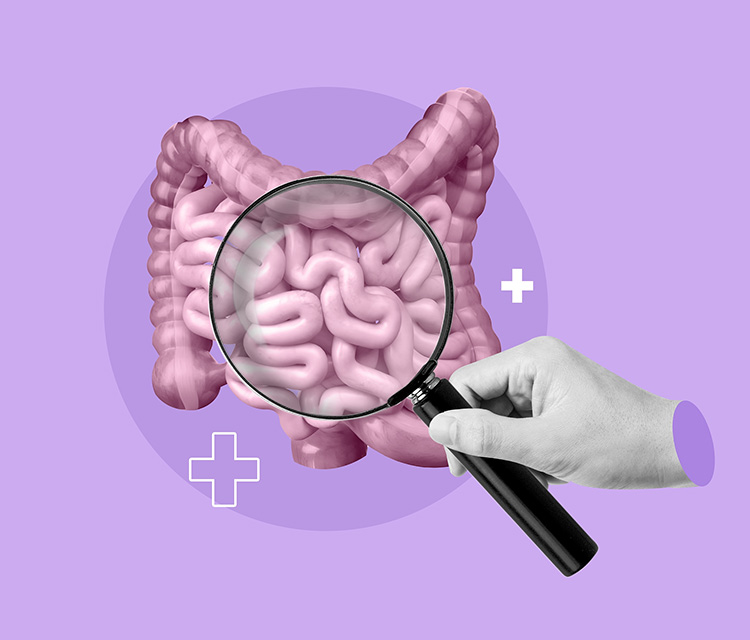
Healthy digestion is a necessary condition for the healthy functioning of the entire body. After all, it is in the digestive system that all necessary nutrients are absorbed and “immunity is born.” Let's consider the TOP 5 digestive problems that can affect the condition of the skin.
Gastrointestinal (GI) pathology has a direct and indirect impact on skin condition, based on the concept of a bidirectional gut–skin axis. It is not just a concomitant symptom, but a complex link in the pathogenesis of many dermatological conditions.
Main pathogenetic mechanisms
Dysbiosis and increased permeability of the intestinal barrier: disruption of the qualitative and quantitative composition of the microbiota (dysbiosis) and the integrity of the intestinal epithelium leads to the translocation of bacterial metabolites (e.g., lipopolysaccharides — LPS) into the systemic bloodstream. This causes chronic low-level systemic inflammation, which is a trigger or aggravating factor for skin diseases.
Nutrient absorption disorders: chronic enteropathies, malabsorption (e.g., celiac disease, SNPK) lead to a deficiency of microelements and vitamins that are critical for skin health:
Zinc, iron, vitamins B, A, D, E — necessary for regeneration, antioxidant protection and immune homeostasis of the skin. Their deficiency manifests as xerosis, seborrheic dermatitis, impaired healing and increased sensitivity.
Immunological dysregulation: over 70% of immune cells are concentrated in gut-associated lymphoid tissue. Gastrointestinal disorders alter the balance of cytokines, which can provoke autoimmune and allergic reactions in the skin.
Full version of the access article in Ukrainian