The action of enzymes in practice: enzyme peels and hair removal
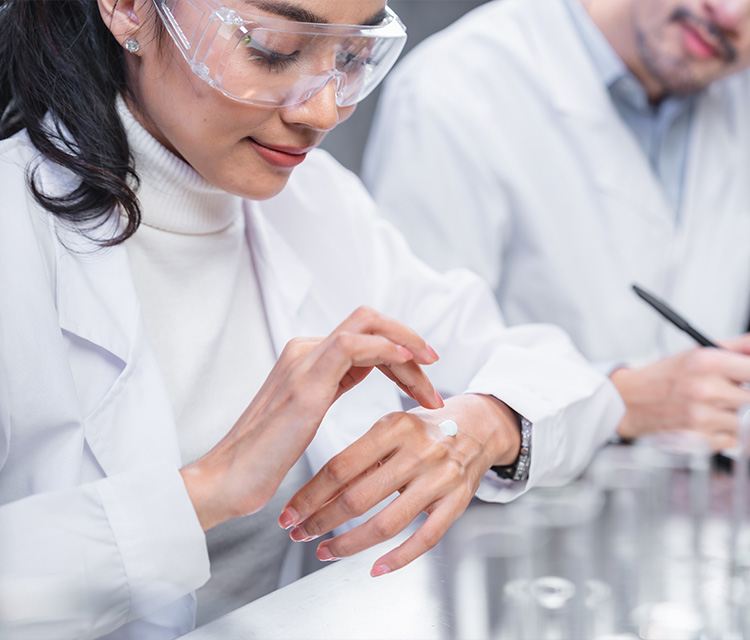
Enzymes are used in anti-aging, acne, and regenerative products. In recent years, enzymes have increasingly been added to weight loss products. In this article, we will focus on enzyme peels and biothermodepilation, which combines the effects of infrared radiation and enzyme preparations.
Enzyme peeling has been practiced by cosmetologists for over 50 years. In this field, peptidase is used, that is, an enzyme that breaks down proteins. In this case, it breaks down the peptide bonds of the keratin protein, which breaks down into fragments. As a result, the process of exfoliating dead (horny) cells is simplified, since fragments are much easier to separate from the skin surface than whole scales. Each enzyme acts only on a certain peptide bond. The more specific the enzyme, the more actively it affects the stratum corneum. In such peels, the enzymes papain, trypsin, chymotrypsin are often used.
Papain, in addition to its main peeling role, also performs another - it resists foreign agents (antigens), which are often found on the skin surface and provoke allergic reactions. Papain inactivates them. This enzyme is active at temperatures from 37.5°C to 38°C, so preparations based on it require a little heating (at temperatures below 37°C it will work much slower, and at temperatures above 38°C it will lose its properties).
Trypsin ensures the breakdown of protein into smaller fragments, and therefore, peeling in this case will be more effective. However, it must be used with caution, as trypsin can cause irritation.
Full version of the access article in Ukrainian