Skin and thyroid gland: functional relationship
Features of the skin in patients with thyroid dysfunction.
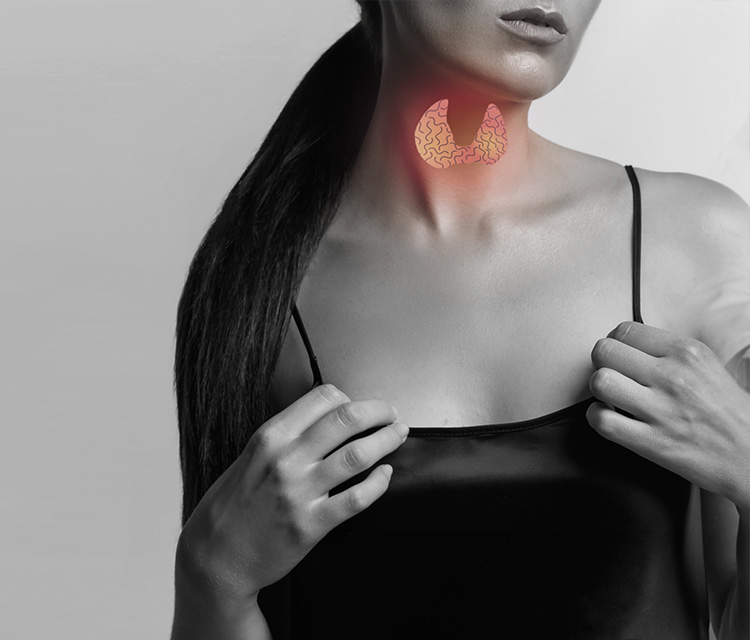
The thyroid gland is a very important organ for maintaining general homeostasis. Any dysfunctions of the thyroid gland affect almost all body systems, including the skin. We analyze the relationship between these two organs and the peculiarities of the dermatocosmetologist's work in such cases.
Lilia Taran, doctor-endocrinologist of the highest category, universal clinic Oberig (Ukraine)
Most endocrine diseases are accompanied by skin damage. If this lesion is caused by an initial hormonal-metabolic defect (for example, hormone deficiency or, conversely, an excess), it manifests itself in the early stages of the disease and is an important diagnostic feature.
Skin damage caused by secondary metabolic disorders develops as a complication of the main disease and can even be caused by its treatment (for example, insulin injections cause lipoatrophy in patients with insulin-dependent diabetes).
The thyroid gland is part of the endocrine system and performs a number of important functions. First of all, it secretes hormones that regulate metabolism. Thyroid activity, like the entire endocrine system, is regulated by the central nervous system, hypothalamus, pituitary gland, and the feedback system. As you know, the thyroid gland produces hormones such as thyroxine (T4) and triiodothyronine (T3).