Photorejuvenation: capabilities of modern IPL systems
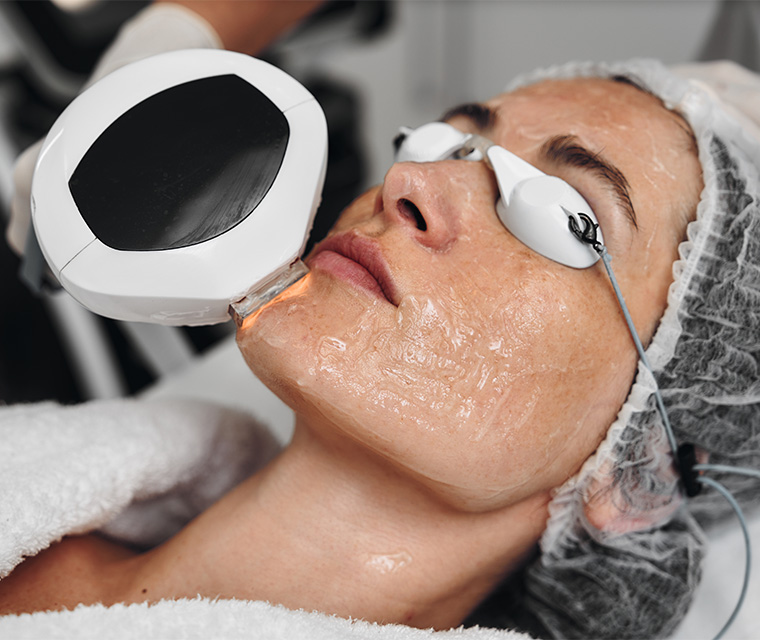
Photorejuvenation is a procedure aimed at correcting the signs of photoaging of the skin. At first glance, broadband pulsed light systems are simpler than lasers, but this is only at first glance. As time and experience of clinical application have shown, IPL systems have many nuances that can affect the effectiveness and safety of the procedures.
As is known, photoaging of the skin occurs under the influence of ultraviolet rays UVA and UVB. Moreover, the signs of exposure to the UVB range are reflected in the appearance of age spots on the skin, and the range of ultraviolet rays of the UVA range leads to the appearance of fine-mesh wrinkles, which can spread chaotically not along the lines of facial expressions and is one of the factors for the appearance of telangiectasias. So, when we talk about photorejuvenation, we mean the correction of signs of photoaging.
The history of the emergence of IPL
The idea of using broadband intense light in dermatology originated with the Swedish scientist Morgan Gustavson and was simple, like all geniuses: to use a narrow range of visible light from a powerful flash lamp to treat various skin pathologies. The first broadband intense light system Plasmalite appeared in 1990.
Thanks to a less complex device compared to lasers, IPL systems have become widespread in the world. The peak of popularity of IPL technologies fell on 2006–2009, when most manufacturing companies tried to meet the growing demand of doctors and patients. Such popularity was due to several reasons: the main role was played by the “low” price (compared to lasers), and the second - a wide range of procedures provided using the IPL system.
Full version of the access article in Ukrainian