Male hormonal profile and seborrhea: pathogenetic relationship and correction strategies
Causes and consequences
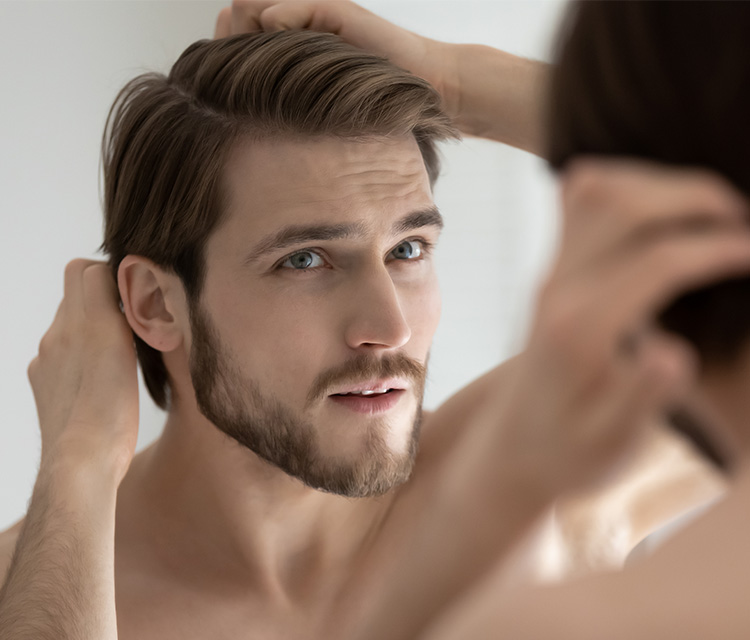
Seborrheic dermatitis is a common problem. About 40% of men suffer from oily seborrhea. We will focus on the microbiome, hormonal background and psychological comfort of the male patient and understand the features of the course of the disease, consequences and proper cosmetic care.
As an independent skin disease, seborrhea has been known since ancient times. The name comes from the fusion of two words: Latin sebum (fat) and Greek rrhea (to tickle). Seborrhea is a hereditary disease associated with impaired functioning of the sebaceous glands, quantitative and qualitative changes in the sebum produced by them. Since the functions of the sebaceous glands are controlled by sex hormones, mainly androgens, seborrhea in men has its own characteristics that must be taken into account both during the treatment of the disease and the development of cosmetic care.
The features of the manifestations of seborrhea in men are also due to the differences between male and female skin, which begin to appear, as a rule, from 12-14 years. After the puberty period, due to the secretion of sex hormones (androgens), these differences become pronounced and significant for the implementation of high-quality cosmetic care. They are manifested in structural and anatomical, biochemical, mechanical and functional features, reactions in response to exogenous factors, sensitive function, skin color, hormonal influence, features of sebaceous-hair structures.
These differences are especially pronounced at the age of 20-69 years, when the highest androgen-induced activity of the sebaceous glands is observed, there is no correlation between the content of testosterone in the blood and the level of sebaceous secretion. Hyperproduction of sebum is accompanied by changes in its physicochemical properties, a decrease in bactericidal activity, an increase in viscosity, etc., which often leads to the development of seborrheic dermatitis.
Full version of the access article in Ukrainian