Local anesthesia in aesthetic medicine: recommendations for use
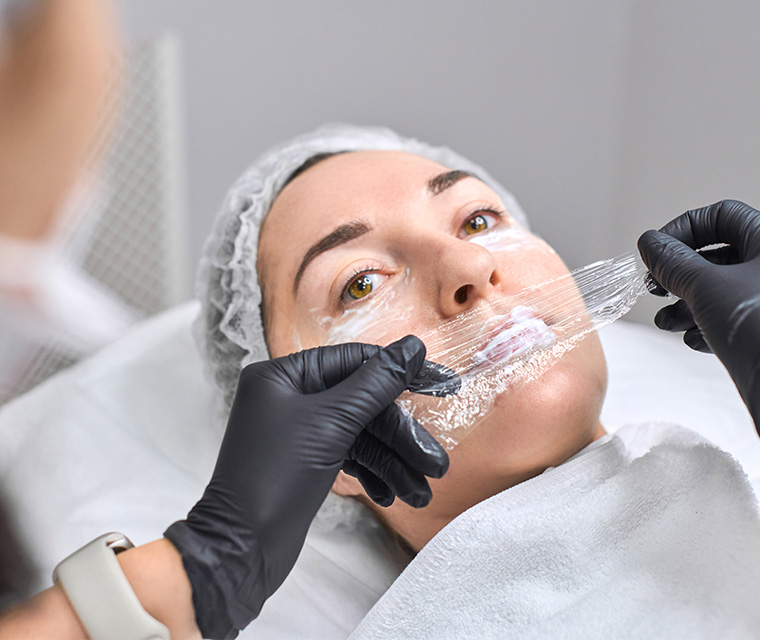
It is no secret that most aesthetic medical cosmetology procedures are painful, so adequate anesthesia provides comfort and peace not only for the patient, but also for the doctor during the procedure. In this article, we will talk about local anesthesia, in which area and for which procedures it is recommended to use it.
The main sensory nerve of the face and oral cavity is the trigeminal nerve. It also contains motor fibers that innervate the masticatory muscles. The zones of cutaneous innervation of each of the three branches of the trigeminal nerve do not have strict boundaries. On the contrary, innervation of individual areas is observed from two sources. Thus, branches from both the ophthalmic and maxillary nerves approach the eyelids and conjunctiva of the eye. Overlapping areas of nerve supply from different sources is observed in the area of the mucous membrane of the nasal cavity, into which the nasal branches from the first, second and third branches of the trigeminal nerve penetrate.
A feature of the trigeminal nerve is the formation of numerous connecting branches that connect it with the branches of the facial and hypoglossal nerves. Through these connections, a mutual exchange of fibers occurs, in particular, the sensory fibers of the trigeminal nerve enter the muscle branches of the above-mentioned cranial nerves. They are not only conductors of general (pain, tactile and temperature) sensitivity, some of them belong to the conductors of muscle-articular sensitivity. Afferent fibers of the trigeminal nerve innervate the skin of the face, mucous membranes of the cavities, muscles, bone base, teeth. They occupy the place of the afferent link in the structures of reflex arcs, which are the substrate of neurogenic effects on the muscles, glands and vessels of the face.
Full version of the access article in Ukrainian
Read also