Circadian rhythms: important cyclical processes in the human body
For any biological system, it is better to prepare for changes in advance than to react to something that has already happened
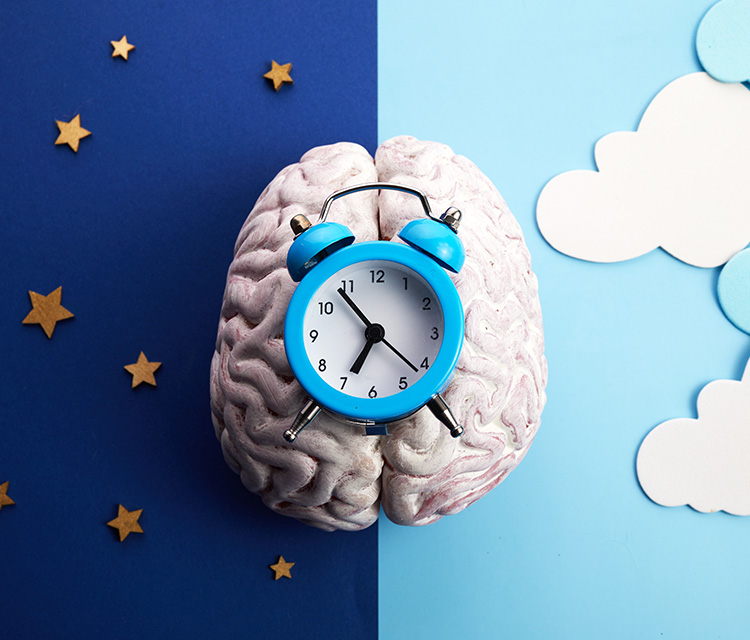
In 2017, the Nobel Prize in Physiology or Medicine was awarded «For the discovery of the molecular mechanisms controlling circadian rhythms.» In 2016, the Nobel Prize was awarded for research into the process of autophagy, a fundamental mechanism for the self-cleaning of cellular space. These two discoveries are closely related and are of enormous importance in medicine, but they can also be practically used in cosmetology.
Elena Galakhina, dermatologist of the highest category, cosmetologist, scientific consultant of the Rosa Graf company (Germany)
History of the discovery of biorhythms
Our planet has cyclically stable changes in photoperiods - annual and daily. This periodicity has existed for millions of years and has led to the emergence of a mechanism that controls changes in the body that occur when lighting conditions change during the day. Thus, organisms have developed “biological clocks” determined by a genetic program, which determine the rhythms of the biochemical, physiological and behavioral activity of all life on earth.
Back in 1880, Charles Darwin suggested the hereditary nature of the daily — circadian (or circadian, CR) rhythms of living organisms. Subsequently, about 15 main genes were discovered that controlled the adjustment of the body's own proteins to the daily rhythm. The main meaning of circadian rhythms is a change in the vital processes of the body to the known rhythmic changes in the external environment. For any biological system, it is better to prepare in advance for change than to react to something that has already happened.
Biorhythms: definition, classification
Biological rhythms are stably repeating changes in the activity of the body's reaction, which are based on cyclically changing processes as a result of the influence of exo- and endogenous factors.
Exogenous, constantly recurring factors to which the human body is accustomed include light, nutrition, and in the modern world, also social factors.
In response to exogenous factors, endogenous factors arise in the human body, which control the entire vital activity of all systems, organs, and cells of a living organism. The formation of its own internal biological rhythms occurs.
*Full version of the access article in Ukrainian and Russian
About circadian rhythms in cosmetology, their possible influence on the effectiveness of therapy results - in the continuation of the article.
First published in the magazine “Cosmetologist” No. 1, 2020